Water → 2-Propynoic acid, 3-(4-fluorophenyl)-, methyl ester
Reaction equation

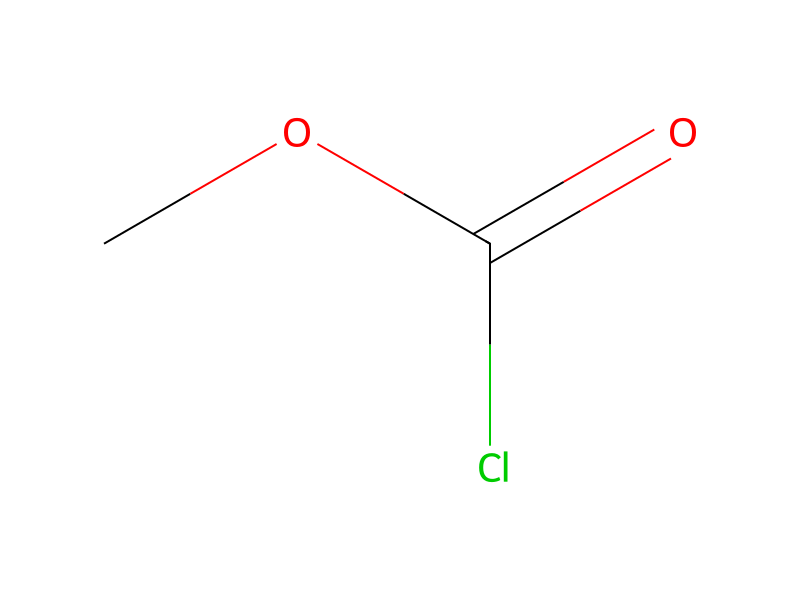
[F:1][C:2]1[CH:7]=[CH:6][C:5]([C:8]#[CH:9])=[CH:4][CH:3]=1.C([Li])CCC.Cl[C:16]([O:18][CH3:19])=[O:17].O>O1CCCC1>[F:1][C:2]1[CH:7]=[CH:6][C:5]([C:8]#[C:9][C:16]([O:18][CH3:19])=[O:17])=[CH:4][CH:3]=1Participants





Conditions
- Temperature
- -78 °C
Procedure
A solution of 4-fluorophenylacetylene (2.86 mL, 3.00 g, 24.97 mmol) in tetrahydrofuran at −78° C. was treated with a solution of n-butyllithium in hexanes (2.29 M, 12.0 mL, 27.5 mmol) followed by stirring at −78° C. for 45 minutes. The solution was then treated rapidly with methyl chloroformate (2.12 mL, 2.60 g, 27.5 mmol) followed by stirring at −78° C. for 30 minutes and warming to room temperature for 18 hours. The mixture was treated with water and concentrated in vacuo to remove tetrahydrofuran. The residue was dissolved in ethyl acetate and washed with water and saturated sodium chloride solution. Drying (Na2SO4) and concentration in vacuo afforded a yellow solid, which was chromatographed over a 340 g silica gel cartridge, eluting with 15-50% dichloromethane in hexanes. These procedures afforded the product (2.95 g, 66%) as an off-white fluffy solid.
Workup
- stirringby stirring at −78° C. for 30 minutes
- temperaturewarming to room temperature for 18 hours
- concentrationconcentrated in vacuo
- customto remove tetrahydrofuran
- dissolutionThe residue was dissolved in ethyl acetate
- washwashed with water and saturated sodium chloride solution
- customDrying
- concentration(Na2SO4) and concentration in vacuo
- customafforded a yellow solid, which
- customwas chromatographed over a 340 g silica gel cartridge
- washeluting with 15-50% dichloromethane in hexanes
Sources & evidence
- ORD record
- ord-5c8770fd24a44c719310794dfccbd3a1
- Source dataset
- uspto-grants-2015_11
- Patent number
- US09173887B2
Reaction notes
Loading…