Sodium triacetoxyborohydride → Ethyl 4-[cyclopropyl(oxetan-3-yl)amino]cyclohexane-1-carboxylate
Reaction equation

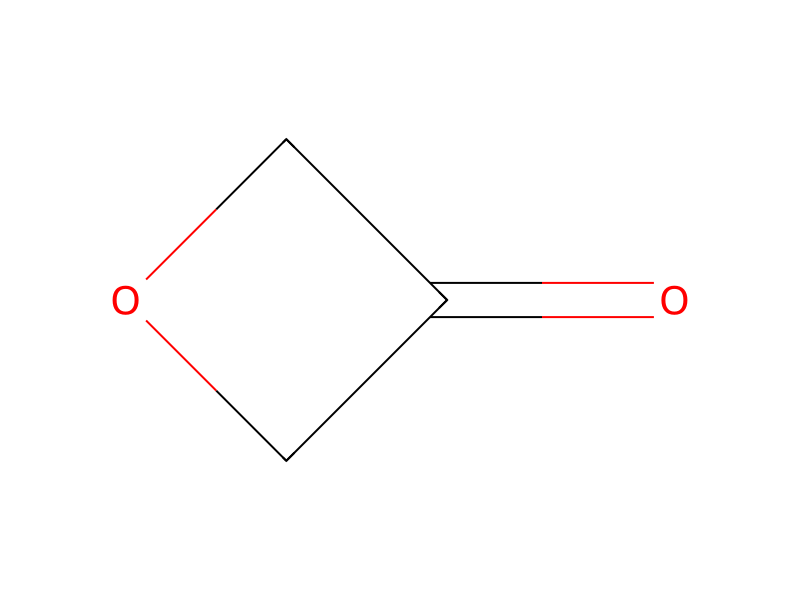
[CH:1]1([NH:4][CH:5]2[CH2:10][CH2:9][CH:8]([C:11]([O:13][CH2:14][CH3:15])=[O:12])[CH2:7][CH2:6]2)[CH2:3][CH2:2]1.[O:16]1[CH2:19][C:18](=O)[CH2:17]1.C(O[BH-](OC(=O)C)OC(=O)C)(=O)C.[Na+]>ClCCl>[CH:1]1([N:4]([CH:18]2[CH2:19][O:16][CH2:17]2)[CH:5]2[CH2:10][CH2:9][CH:8]([C:11]([O:13][CH2:14][CH3:15])=[O:12])[CH2:7][CH2:6]2)[CH2:2][CH2:3]1Participants
5




Procedure
To a solution of EXAMPLE 329A (1.05 g) in dichloromethane (10 mL) was added oxetan-3-one (0.358 g) followed by sodium triacetoxyborohydride (1.05 g). The mixture was stirred overnight. The mixture was diluted with dichloromethane (300 mL) and washed with 2N aqueous NaOH, water, brine and dried over Na2SO4. Filtration and evaporation of the solvent gave the title compound.
Workup
- washwashed with 2N aqueous NaOH, water, brine
- dry with materialdried over Na2SO4
- filtrationFiltration and evaporation of the solvent
Sources & evidence
- ORD record
- ord-f26b5e5783d048be96443c3907d27afd
- Source dataset
- uspto-grants-2015_11
- Patent number
- US09174982B2
Reaction notes
Loading…