Cyclopropylamine → N2-Cyclopropylpyrazine-2,3-diamine
Reaction equation

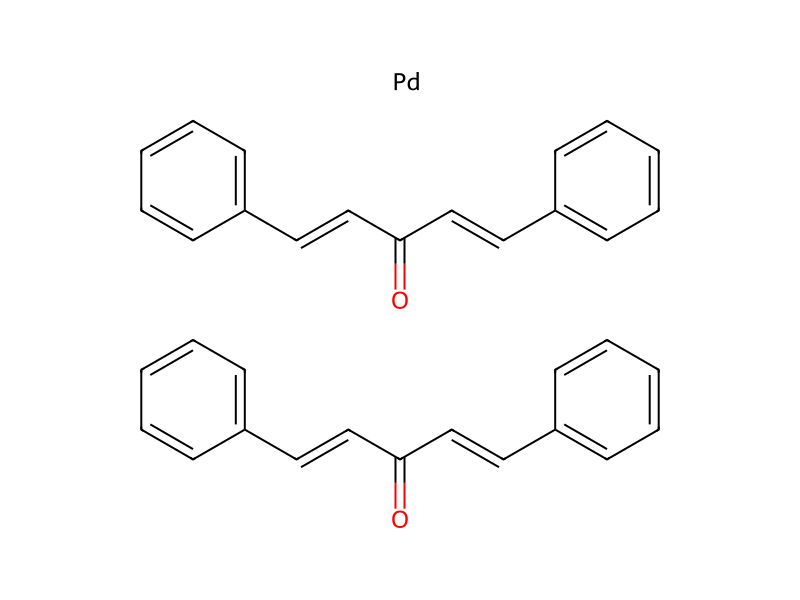
Cl[C:2]1[C:3]([NH2:8])=[N:4][CH:5]=[CH:6][N:7]=1.CC(C1C=C(C(C)C)C(C2C(P(C3CCCCC3)C3CCCCC3)=C(OC)C=CC=2OC)=C(C(C)C)C=1)C.CC(C)([O-])C.[Na+].[CH:53]1([NH2:56])[CH2:55][CH2:54]1>C1C=CC(/C=C/C(/C=C/C2C=CC=CC=2)=O)=CC=1.C1C=CC(/C=C/C(/C=C/C2C=CC=CC=2)=O)=CC=1.[Pd].O.O1CCOCC1>[CH:53]1([NH:56][C:2]2[C:3]([NH2:8])=[N:4][CH:5]=[CH:6][N:7]=2)[CH2:55][CH2:54]1Participants
8
Reactant 4




Product 1

Reagents, catalysts & solvents 3


Conditions
- Temperature
- 45 °C
Procedure
A glass microwave reaction vessel (20 mL) was charged with 3-chloropyrazin-2-amine (0.500 g, 3.86 mmol, FSSI), tris(dibenzylideneacetone)dipalladium(o) (0.070 g, 0.076 mmol, Strem Chemicals, Inc.) and BrettPhos (0.100 g, 0.186 mmol, Strem Chemicals, Inc.). The vessel was transferred to the glove-box where sodium tert-butoxide (0.700 g, 7.28 mmol, Sigma-Aldrich Chemical Company) was added. The vessel was capped and placed under an atmosphere of argon using 3 evacuation/backfill cycles. Dioxane (5 mL) and cyclopropylamine (0.410 mL, 5.85 mmol, Alfa Aesar) were added and the reaction mixture was heated at 45° C. for 1 h. The reaction was poured into water (100 mL, 0° C.) and the extracted with DCM (4×).
Workup
- customA glass microwave reaction vessel (20 mL)
- additionwas added
- customThe vessel was capped
- extractionthe extracted with DCM (4×)
Sources & evidence
- ORD record
- ord-5fde3203122942ad8ddbbdb6095bd910
- Source dataset
- uspto-grants-2015_11
- Patent number
- US09174992B2
Reaction notes
Loading…