Pyridine → HCID 68083398, compound
Reaction equation

[O:1]=[C:2]1[CH:7]=[C:6]([C:8]([O:10][CH3:11])=[O:9])[CH:5]=[CH:4][NH:3]1.[F:12][C:13]1[CH:14]=[C:15](B(O)O)[CH:16]=[CH:17][CH:18]=1.N1C=CC=CC=1.CC1(C)N([O])C(C)(C)CCC1>C(Cl)Cl.CC([O-])=O.CC([O-])=O.[Cu+2]>[F:12][C:13]1[CH:18]=[C:17]([N:3]2[CH:4]=[CH:5][C:6]([C:8]([O:10][CH3:11])=[O:9])=[CH:7][C:2]2=[O:1])[CH:16]=[CH:15][CH:14]=1Participants





Procedure
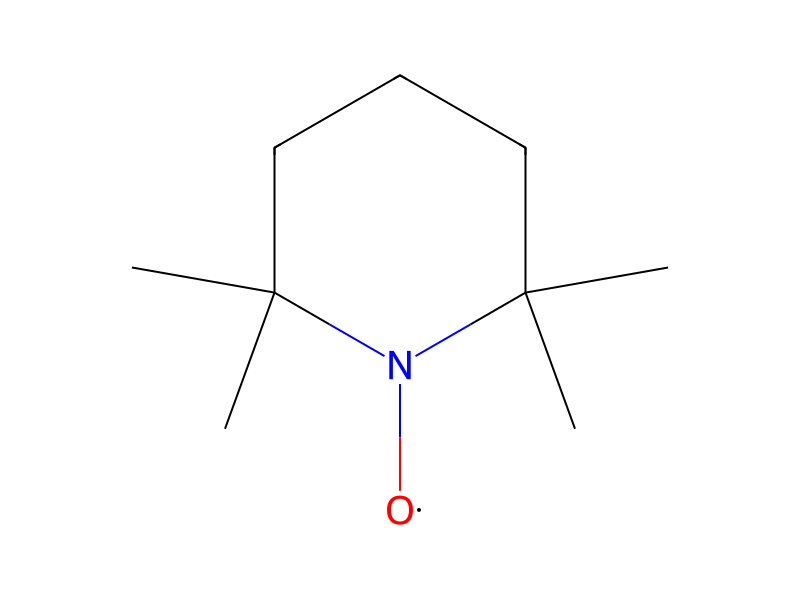
A mixture of methyl 2-oxo-1,2-dihydropyridine-4-carboxylate 89-1 (153 mg, 1.00 mmol), (3-fluorophenyl)boronic acid 6-6 (280 mg, 2.00 mmol), Cu(OAc)2 (36 mg, 0.2 mmol), molecular sieves (4 Å, activated, 200 mg), pyridine (162 μL, 2.0 mmol) and TEMPO (2,2,6,6-tetramethyl-1-piperidinyloxy, free radical, 172 mg, 1.1 mmol) in DCM (2.0 mL) was stirred at room temperature under dry air. The mixture was then filtered through celite (washed with ethyl acetate); and the filtrate was washed with 5% ammonia solution, dried with Na2SO4 and concentrated with rotavap. The residue was subjected to silica gel column chromatography with 1:3 ethyl acetate/DCM as eluent to give methyl 1-(3-fluorophenyl)-2-oxo-1,2-dihydropyridine-4-carboxylate as a solid 89-2.
Workup
- customunder dry air
- filtrationThe mixture was then filtered through celite (washed with ethyl acetate)
- washand the filtrate was washed with 5% ammonia solution
- dry with materialdried with Na2SO4
- concentrationconcentrated with rotavap
Sources & evidence
- ORD record
- ord-b204a2d48ea04527baac0932c7afd596
- Source dataset
- uspto-grants-2015_11
- Patent number
- US09181235B2
Reaction notes
Loading…