Hydrochloric Acid → Dodecanoyl chloride
Reaction equation

[C:1]([OH:14])(=O)[CH2:2][CH2:3][CH2:4][CH2:5][CH2:6][CH2:7][CH2:8][CH2:9][CH2:10][CH2:11][CH3:12].S(Cl)([Cl:17])=O.Cl.S(=O)=O>>[C:1]([Cl:17])(=[O:14])[CH2:2][CH2:3][CH2:4][CH2:5][CH2:6][CH2:7][CH2:8][CH2:9][CH2:10][CH2:11][CH3:12]Participants



Procedure
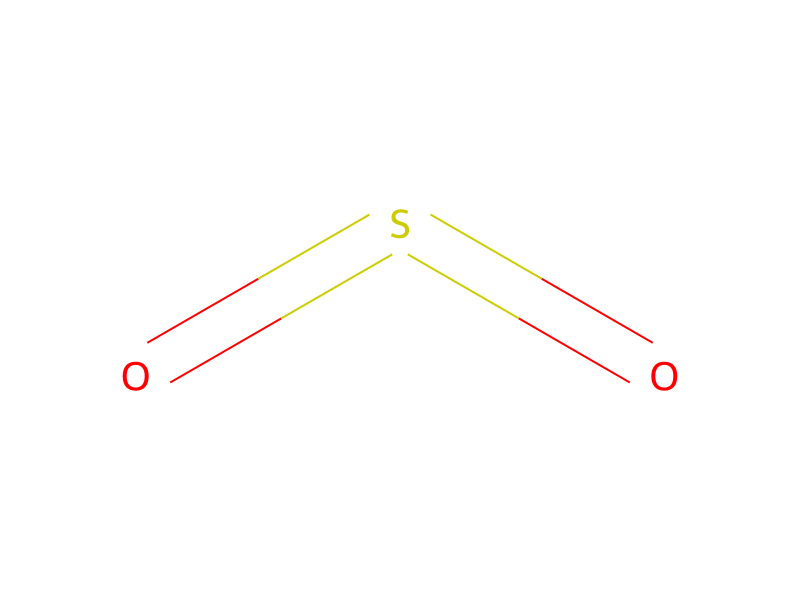
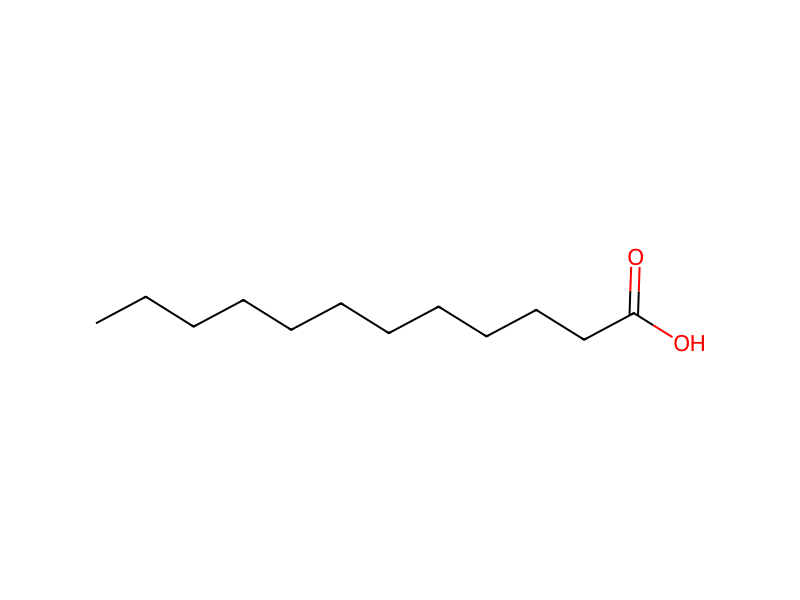
To a stirred mass of lauric acid (200 g, 0.999 gmol) and N-lauroyl glycenic lauric anhydride (Formula IV, RCO=lauroyl, R═C11) from step I (0.6 g, 0.0013 gmol) at 25° C. under nitrogen blanket, thionyl chloride (123 g, 1.03 gmol) was added slowly at 25° C. and atmospheric pressure over a period of 2 hours maintaining temperature below 25° C. The hydrochloric acid and sulfur dioxide generated during the process was intermittently scrubbed in a gas scrubber containing caustic lye. The reaction mixture was stirred for additional 4 hours at the reaction temperature. The progress of reaction was monitored by measuring alkanoyl chloride formation and residual free fatty acid (Sidney Siggia and J. Gordon Hanna, “Quantitative Organic Analysis Via Functional Groups”, 4th Edition (Pg. 223-230), John Wiley & Sons (1979)). Nitrogen gas was purged through the reaction mass for 3 hours to remove the residual traces of sulfur dioxide, hydrogen chloride gas and unreacted thionyl chloride. At the end of this procedure lauroyl chloride (214 g, 98.0%) was obtained as practically colorless product. The detailed analysis is given in the Table 1.
Workup
- temperatureatmospheric pressure over a period of 2 hours maintaining temperature below 25° C
- additioncontaining caustic lye
- customThe progress of reaction
- customNitrogen gas was purged through the reaction mass for 3 hours
- customto remove the residual traces of sulfur dioxide, hydrogen chloride gas and unreacted thionyl chloride
Sources & evidence
- ORD record
- ord-7914539dc2654b408fda9b796d77670b
- Source dataset
- uspto-grants-2015_11
- Patent number
- US09187407B2
Reaction notes
Loading…