Hydrochloric Acid → Dodecanoyl chloride
Reaction equation

[C:1]([OH:14])(=O)[CH2:2][CH2:3][CH2:4][CH2:5][CH2:6][CH2:7][CH2:8][CH2:9][CH2:10][CH2:11][CH3:12].S(Cl)([Cl:17])=O.Cl.S(=O)=O>NCC(OC(=O)CCCCCCCCCCC)=O.[Na]>[C:1]([Cl:17])(=[O:14])[CH2:2][CH2:3][CH2:4][CH2:5][CH2:6][CH2:7][CH2:8][CH2:9][CH2:10][CH2:11][CH3:12]Participants
Reactant 4

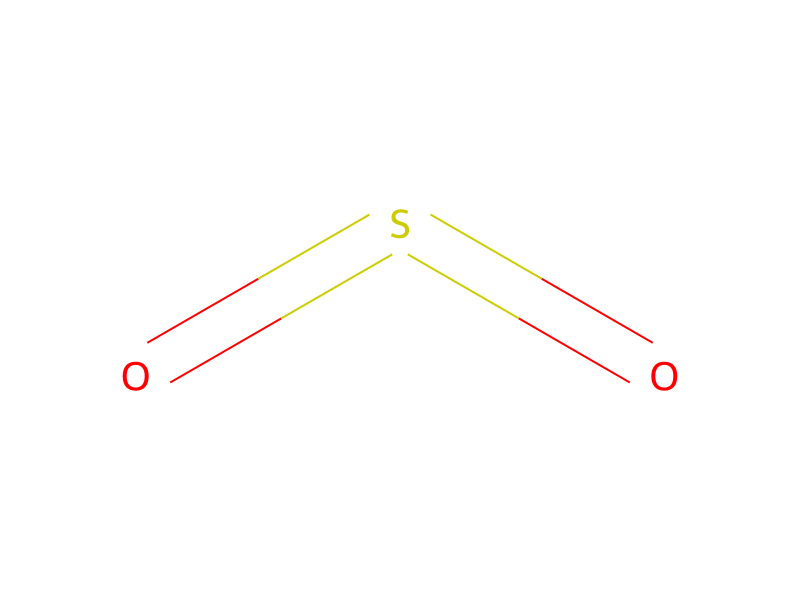
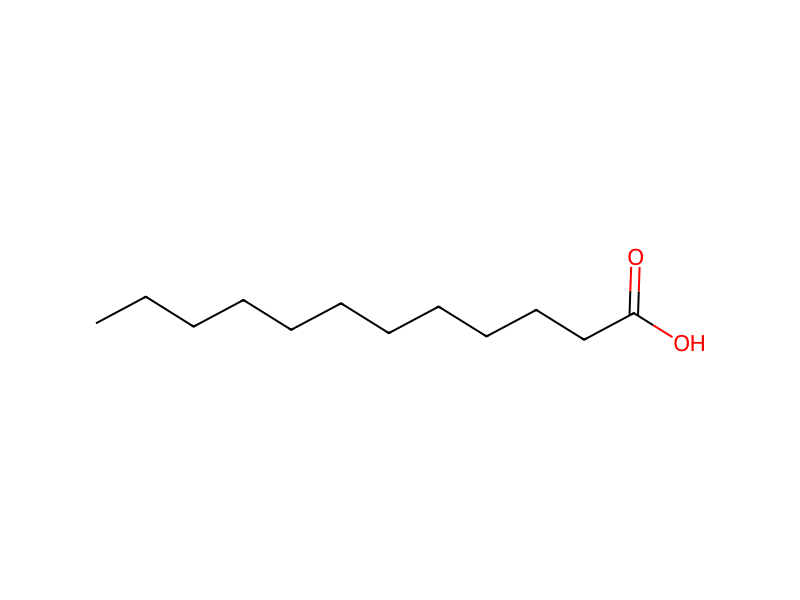

Product 1

Reagents, catalysts & solvents 1

Procedure
To a stirred mass of lauric acid (200 g, 1.0 gmol) and sodium lauroyl glycinate (0.6 g, 0.002 gmol) at 25° C. under nitrogen blanket, thionyl chloride (123 g, 1.03 gmol) was added slowly at 25° C. and atmospheric pressure over a period of 2 hours maintaining temperature below 25° C. The hydrochloric acid and sulfur dioxide generated during the process was continuously scrubbed in a gas scrubber containing caustic lye. The reaction mixture was stirred for additional 4 hours at the reaction temperature. The progress of reaction was monitored by measuring alkoyl chloride formation. Nitrogen gas was purged through the reaction mass for 3 hours to remove the residual traces of sulfur dioxide, hydrogen chloride gas and unreacted thionyl chloride. At the end of this procedure lauroyl chloride (218 g, 99.8%) was obtained as practically colorless product. The detailed analysis is given in the Table 11.
Workup
- temperatureatmospheric pressure over a period of 2 hours maintaining temperature below 25° C
- additioncontaining caustic lye
- customThe progress of reaction
- customNitrogen gas was purged through the reaction mass for 3 hours
- customto remove the residual traces of sulfur dioxide, hydrogen chloride gas and unreacted thionyl chloride
Sources & evidence
- ORD record
- ord-fabaff50d63442939dc5b6c06748d14e
- Source dataset
- uspto-grants-2015_11
- Patent number
- US09187407B2
Reaction notes
Loading…