Acetic Acid → 4-Cyanobenzaldehyde
Reaction equation

[NH2:1][C:2]1[CH:11]=[CH:10][C:5]([C:6]([O:8][CH3:9])=[O:7])=[CH:4][CH:3]=1.[CH:12]([C:14]1[CH:21]=[CH:20][C:17]([C:18]#[N:19])=[CH:16][CH:15]=1)=[O:13].C(O)(=O)C.C([BH3-])#N>CO.ClCCl>[C:18]([C:17]1[CH:20]=[CH:21][C:14]([CH2:12][NH:1][C:2]2[CH:3]=[CH:4][C:5]([C:6]([O:8][CH3:9])=[O:7])=[CH:10][CH:11]=2)=[CH:15][CH:16]=1)#[N:19].[CH:12]([C:14]1[CH:21]=[CH:20][C:17]([C:18]#[N:19])=[CH:16][CH:15]=1)=[O:13]Participants
8





Procedure
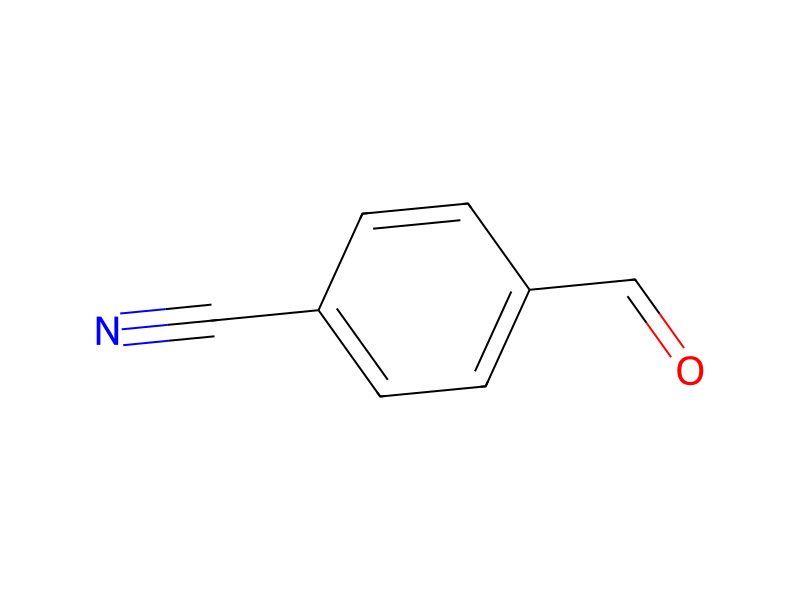
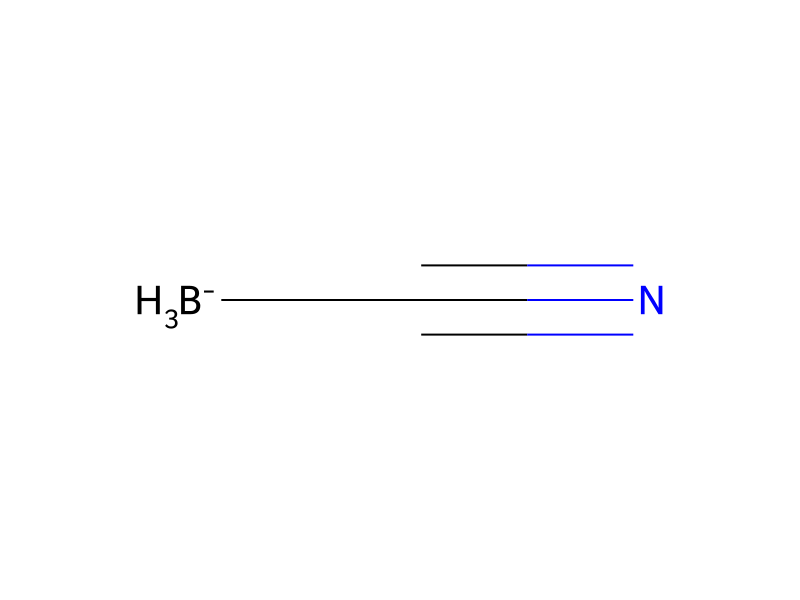
A solution of methyl 4-aminobenzoate (0.2 g, 1.323 mmol) and 4-formylbenzonitrile (0.177 g, 1.350 mmol) in methanol (2 ml) and dichloromethane (4 ml) was treated with acetic acid (0.379 ml, 6.62 mmol) followed by MP-cyanoborohydride (1.151 g, 2.65 mmol) and the reaction was slowly stirred at room temperature. After 16 hours, the mixture was filtered and concentrated and the concentrate was partitioned between 2 N sodium hydroxide and dichloromethane. The organic phase was concentrated to give the title compound with 30% of remaining 4-formylbenzonitrile.
Workup
- filtrationthe mixture was filtered
- concentrationconcentrated
- customthe concentrate was partitioned between 2 N sodium hydroxide and dichloromethane
- concentrationThe organic phase was concentrated
Sources & evidence
- ORD record
- ord-6ecaefaeab834c7cb7968d1bc9816acf
- Source dataset
- uspto-grants-2015_11
- Patent number
- US09193723B2
Reaction notes
Loading…