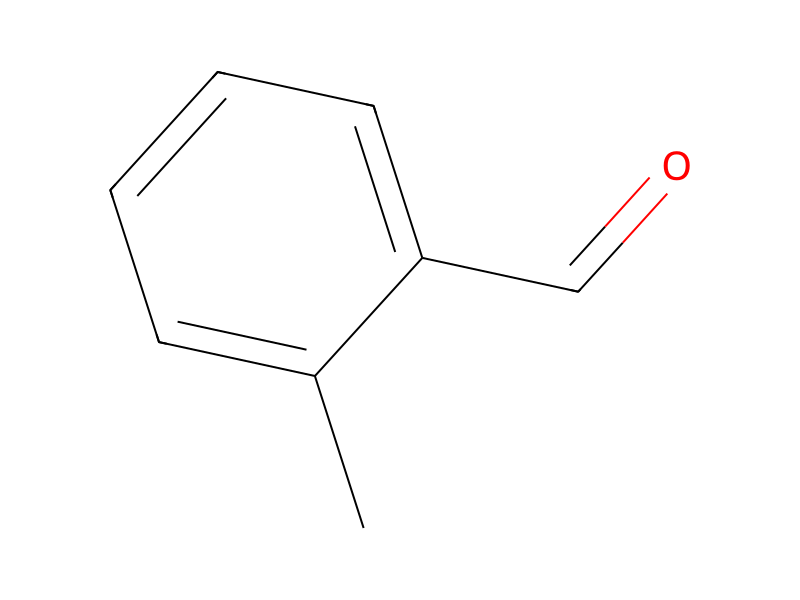
2-Methylbenzaldehyde → 3,4-Dihydro-5-methylnaphthalen-1(2H)-one
Reaction equation

C1(C)C(C=[O:8])=CC=CC=1.[CH3:10][C:11]1[CH:20]=[CH:19][CH:18]=[C:17]2[C:12]=1[CH2:13][CH2:14][CH2:15][C:16]2=[O:21].[Se](=O)=O>>[CH3:10][C:11]1[CH:20]=[CH:19][CH:18]=[C:17]2[C:12]=1[CH2:13][CH2:14][CH2:15][C:16]2=[O:21].[CH3:10][C:11]1[CH:20]=[CH:19][CH:18]=[C:17]2[C:12]=1[CH:13]=[CH:14][C:15](=[O:8])[C:16]2=[O:21]Participants
5


Procedure
5-Methyl-1-tetralone was prepared from o-tolualdehyde according to the literature (J. Med Chem 1997, 40, 3014–3024). Treatment of 5-methyl-1-tetralone with selenium dioxide as described in Reference Example 1A yielded 5-methyl-[1,2]naphthoquinone. This was reacted with 2,3-diamino-benzoic acid, diacetate salt, as described in Reference Example 1A to yield the title compound.
Sources & evidence
- ORD record
- ord-d7960a1ea31348f18db98bba98a31f9a
- Source dataset
- uspto-grants-2006_11
- Patent number
- US07132419B2
Reaction notes
Loading…