Piperazine → 1-(4-Methyl-3-nitrophenyl)piperazine
Reaction equation

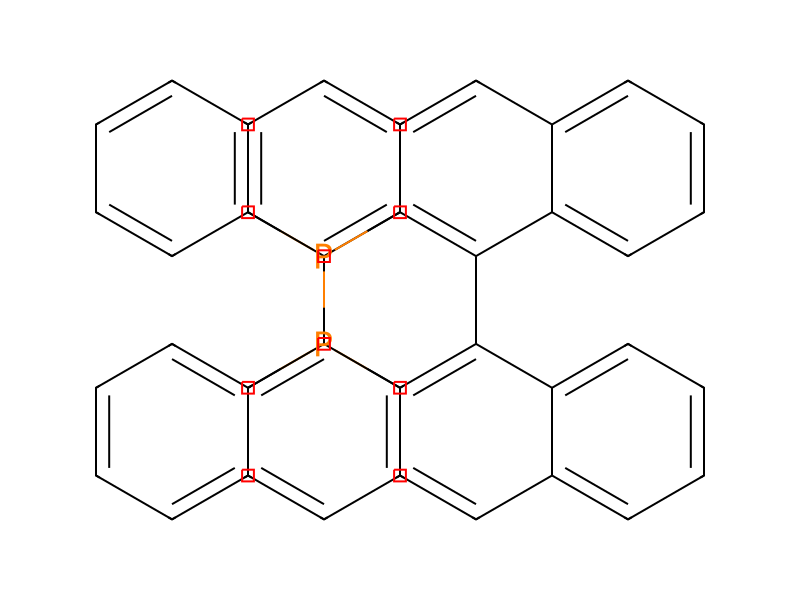
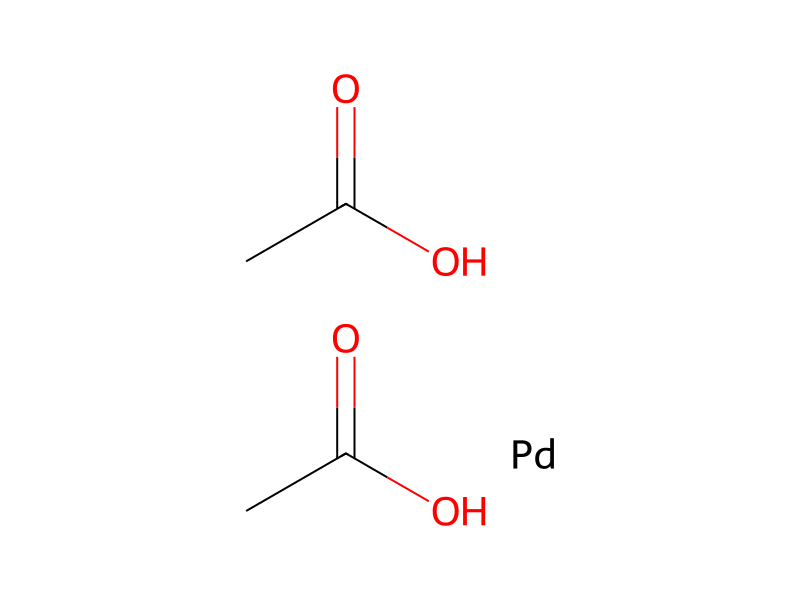
C1CNCCN1.Cc1ccc(Br)cc1[N+](=O)[O-]>CC(=O)O.CC(=O)O.Cc1ccccc1.O=C([O-])[O-].[Cs+].[Cs+].[Pd].c1ccc(P(c2ccccc2)c2ccc3ccccc3c2-c2c(P(c3ccccc3)c3ccccc3)ccc3ccccc23)cc1>Cc1ccc(N2CCNCC2)cc1[N+](=O)[O-]Participants
7





Conditions
- Temperature
- 110 °C
Procedure
palladium(II) acetate (0.390 g, 1.74 mmol), BINAP (0.865 g, 1.39 mmol) and CS2CO3 (5.66 g, 17.36 mmol) were added to a mixture of 4-bromo-1-methyl-2-nitrobenzene (3 g, 13.89 mmol) and piperazine (9.74 g, 113.04 mmol) in microwave. The suspension were heated to 110 °C for 24 hours, LCMS showed product mass [M+1]: 222.0 at retension time RT=1.38 min (polar short purity method). Workup reaction by additional of water (10mL), extracted with EtOAc (3x20 mL), washed with brine, dried with Na2SO4, evaporated off solvent to give a residue, which was purified by isco chromatographer, eluting with 0-10% MeOH in DCM to give 1-(4-methyl-3-nitrophenyl)piperazine (1.670 g, 54.4 %) as a yellow solid. LCMS confirmed the target compound.
Sources & evidence
- ORD record
- ord-160ce7a57c0f456d8f6b62d0a7b77bc4
- Source dataset
- 750 AstraZeneca ELN dataset
- Original link
- View source
Reaction notes
Loading…