2-Amino-3-nitro-5-(2-phenylethyl)-pyridine → 2,3-Diamino-5-(2-phenylethyl)pyridine
Reaction equation

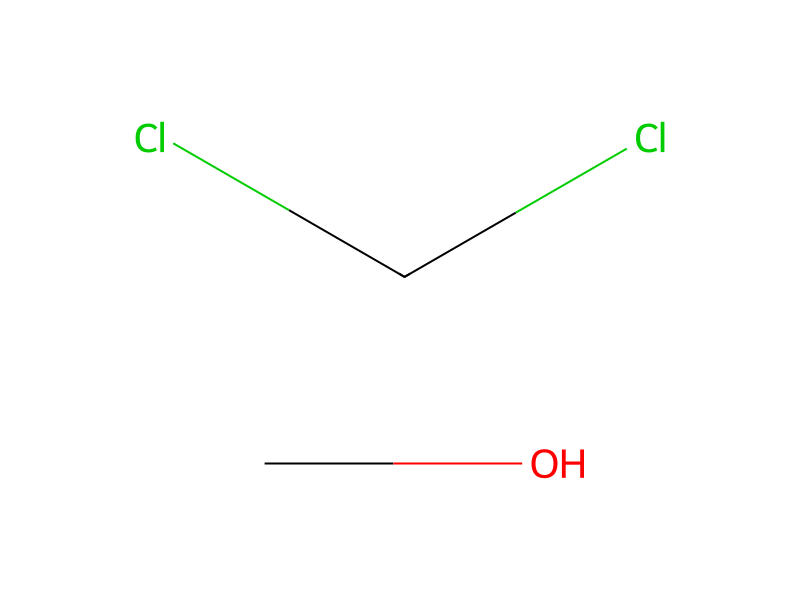
[NH2:1][C:2]1[C:7]([N+:8]([O-:10])=[O:9])=[CH:6][C:5]([CH2:11][CH2:12][C:13]2[CH:18]=[CH:17][CH:16]=[CH:15][CH:14]=2)=[CH:4][N:3]=1>ClCCl.CO>[NH2:1][C:2]1[C:7]([N+:8]([O-:10])=[O:9])=[CH:6][C:5]([CH2:11][CH2:12][C:13]2[CH:18]=[CH:17][CH:16]=[CH:15][CH:14]=2)=[CH:4][N:3]=1.[NH2:1][C:2]1[C:7]([NH2:8])=[CH:6][C:5]([CH2:11][CH2:12][C:13]2[CH:18]=[CH:17][CH:16]=[CH:15][CH:14]=2)=[CH:4][N:3]=1Participants
4
Reactant 1

Product 2

Reagents, catalysts & solvents 1
Procedure
Similiarly to Example C1, the hydrogenation of 0.92 g of 2-amino-3-nitro-5-(2-phenylethyl)-pyridine (starting material F2) gives 0.76 g of the title compound as a tan powder of m.p. 87–88° C. (after chromatography with dichloromethane/methanol 30:1). The mass spectrum shows the molecular peak MH+ at 214.3 Da.
Sources & evidence
- ORD record
- ord-8d07c7c485a3498780db4d2626a2ea55
- Source dataset
- uspto-grants-2006_11
- Patent number
- US07138399B2
Reaction notes
Loading…