2-Hydroxyethyl Methacrylate → Urethane methacrylate
Reaction equation

[C:1]([O-])(=[O:13])[CH2:2]CCCCCCCCCC.C([O-])(=O)CCCCCCCCCCC.C([Sn+2]CCCC)CCC.CC(CCCCN=C=O)C(N=C=O)(C)C.[N-:53]=[C:54]=[O:55].[C:56]([O:61]CCO)(=[O:60])[C:57]([CH3:59])=[CH2:58]>CC(C)=O>[C:56]([OH:61])(=[O:60])[C:57]([CH3:59])=[CH2:58].[NH2:53][C:54]([O:13][CH2:1][CH3:2])=[O:55]Participants
6
Reactant 4

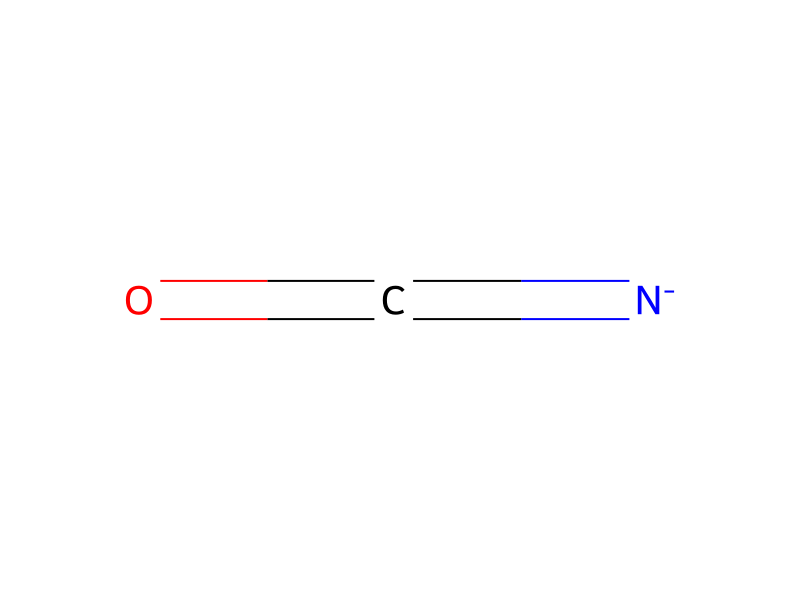


Product 1

Reagents, catalysts & solvents 1

Procedure
212 g (approx. 0.2 mol) Tego-Diol BD-1000, 140 g acetone and 0.1 g dibutyltin dilaurate are introduced first into a 2I 3-neck flask equipped with thermometer, reflux cooler, mechanical stirrer and drying tube, and 84 g (0.4 mol) trimethyl-hexamethylene diisocyanate added in measured does, accompanied by cooling, over a period of 30 minutes. The reaction mixture is stirred for 20 hours at room temperature until the isocyanate content has fallen to 3.7%. 53 g hydroxyethyl methacrylate is added, accompanied by cooling. After 72 hours at room temperature, an isocyanate value of 0.1 is recorded, at which the reaction is ended. The ethyl acetate can be distilled off in fine vacuum.
Workup
- customequipped with thermometer
- temperaturereflux cooler, mechanical stirrer
- customdrying tube
- temperatureby cooling, over a period of 30 minutes
- temperatureby cooling
- distillationThe ethyl acetate can be distilled off in fine vacuum
Sources & evidence
- ORD record
- ord-7ab601e93d5e4815945cb69d344fe0a0
- Source dataset
- uspto-grants-2006_11
- Patent number
- US07141616B2
Reaction notes
Loading…