Thiamine Hydrochloride → L-Isoleucine
Reaction equation

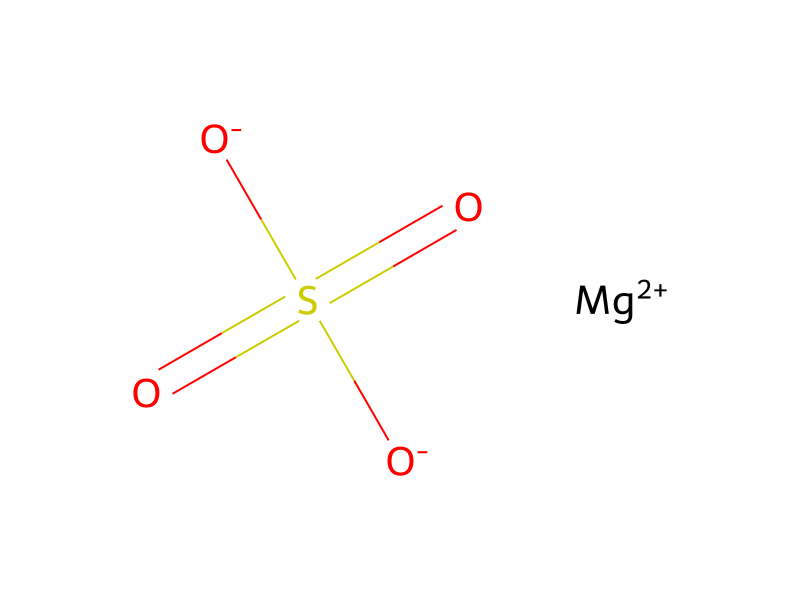
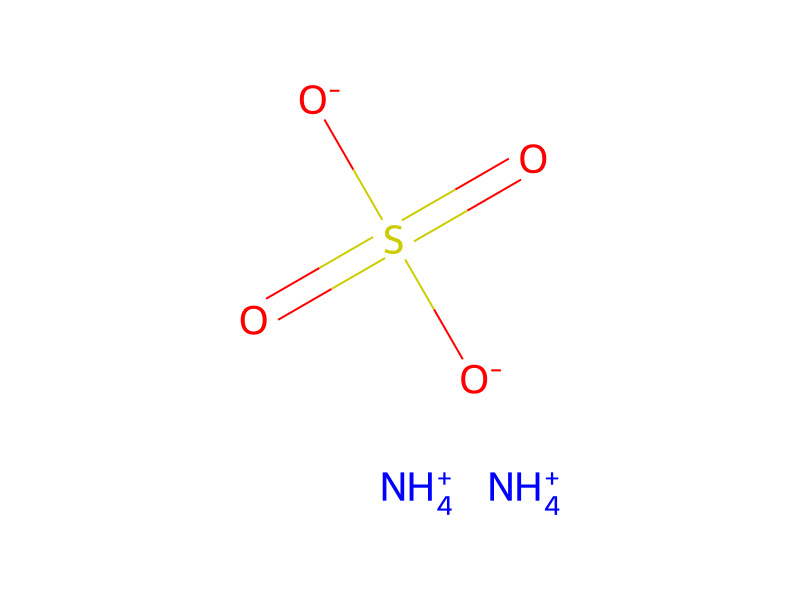
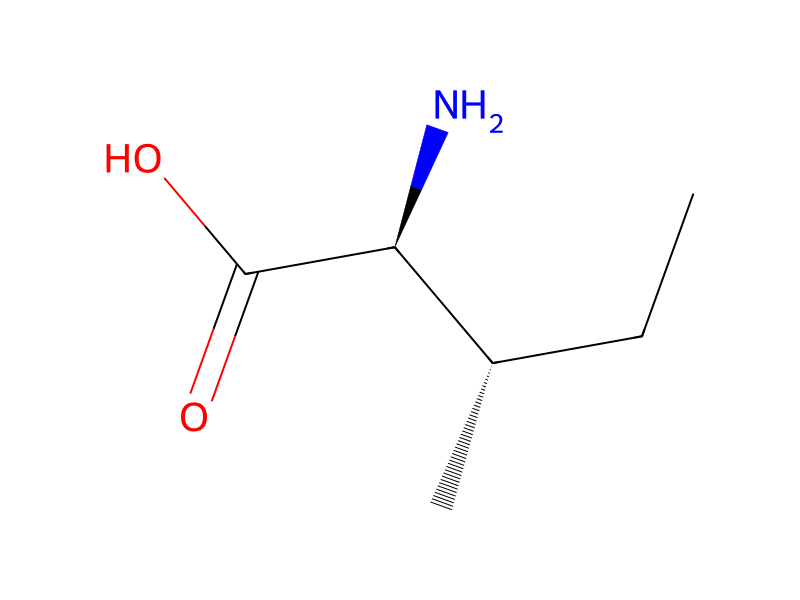
O=[CH:2][C@@H]([C@H]([C@@H]([C@@H](CO)O)O)O)O.S([O-])([O-])(=O)=O.[NH4+:18].[NH4+].[K].S([O-])([O-])(=O)=O.[Mg+2].CC1[N+](CC2C=NC(C)=NC=2N)=CSC=1CCO.Cl.[Cl-].[OH:47][C:48]([CH2:50][CH2:51][CH2:52][CH2:53][C@H]1[C@@H]2[C@@H](NC(N2)=O)CS1)=[O:49]>S([O-])([O-])(=O)=O.[Mn+2]>[NH2:18][C@H:50]([C:48]([OH:47])=[O:49])[C@H:51]([CH2:52][CH3:53])[CH3:2]Participants
Reactant 6




Product 1
Reagents, catalysts & solvents 1

Procedure
An aqueous solution medium having a composition of 10% of glucose, 1% of ammonium sulfate, 0.1% of potassium primary phosphate, 0.04% of magnesium sulfate, 0.001% of ferrous sulfate, 0.001% of manganese sulfate, 100 μg/l of thiamine hydrochloride, 100 μg/l of biotin and 2 ml/dl of Aji-Eki®, at pH 7.0, was charged in an amount of 300 ml into separate small sized glass jar fermenters. After sterilizing in a conventional manner, the various L-isoleucine-producing bacterial strains shown in Table 16, which had been previously grown in bouillon slants at 30° C. for 24 hours, were inoculated thereon. Then, incubation was carried out at 31.5° C. for 48 hours at 1200 rpm at an aeration rate of 1/2 volume per minute, while keeping the pH at 7.3 by the addition of ammonia gas. After completion of the fermentation, the yield of L-isoleucine produced and accumulated in the solution based on glucose was determined and is shown in Table 16.
Workup
- additionat pH 7.0, was charged in an amount of 300 ml
- custominto separate small sized glass jar fermenters
Sources & evidence
- ORD record
- ord-e1e412a1826f4ea58a91417d547c44e8
- Source dataset
- uspto-grants-1998_01
- Patent number
- US05705370
Reaction notes
Loading…