Oxazole → ethyl 2-amino-5-bromothiazole-4-carboxylate
Reaction equation

[NH2:1][C:2]1[S:3][CH:4]=[C:5]([C:7]([O:9][CH2:10][CH3:11])=[O:8])[N:6]=1.[Br:12]CC(=O)C(OCC)=O.NC(N)=S.O1C=CN=C1.BrBr.C(=O)([O-])[O-].[Na+].[Na+]>Br>[NH2:1][C:2]1[S:3][C:4]([Br:12])=[C:5]([C:7]([O:9][CH2:10][CH3:11])=[O:8])[N:6]=1Participants
8



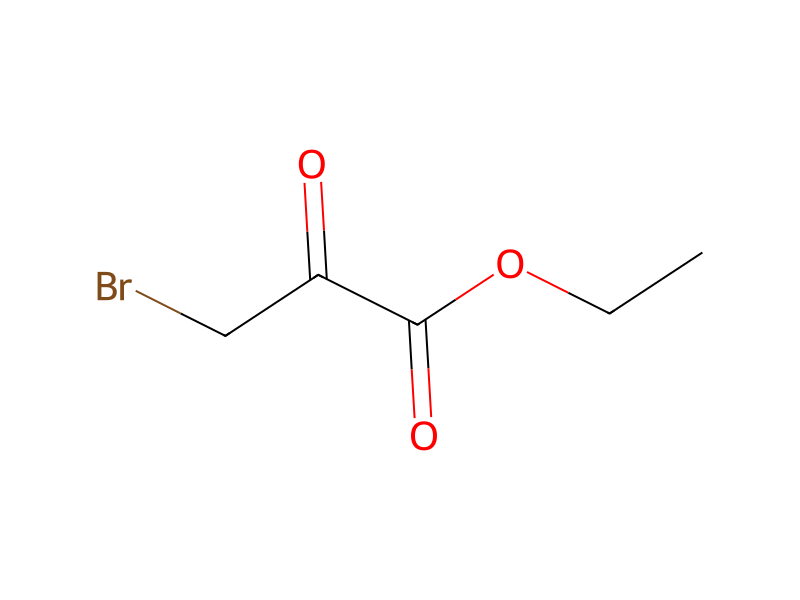



Conditions
- Temperature
- 60 °C
Procedure
Ethyl 2-aminothiazole-4-carboxylate (5.0 g) (prepared from ethyl bromopyruvate and thiourea by the procedure described in J. Med. Chem., 1971, 14, 1075 for the corresponding oxazole) in concentrated hydrobromic acid (9 cm3) was stirred at ambient temperature and treated dropwise with bromine (3.2 g), then heated to 60° C. for 2 hours, neutralised with sodium carbonate and the product extracted into ethyl acetate. The organic phase was dried (MgSO4)and evaporated under reduced pressure to give ethyl 2-amino-5-bromothiazole-4-carboxylate (1.54 g). MH+ =251; 1H NMR: δ 1.40(3H,t); 4.40(2H,t); 5.6(2H,br s).
Workup
- extractionthe product extracted into ethyl acetate
- customevaporated under reduced pressure
Sources & evidence
- ORD record
- ord-07d1ff44247c4f2f8b48c01154e6031e
- Source dataset
- uspto-grants-1998_01
- Patent number
- US05705516
Reaction notes
Loading…