Sodium hydride → HCID 19706947, compound
Reaction equation

[O:1]=[C:2]1[C:11]2[C:6](=[CH:7][CH:8]=[CH:9][CH:10]=2)[N:5]([C:12]2[CH:17]=[CH:16][CH:15]=[CH:14][CH:13]=2)[CH2:4][N:3]1[CH2:18][CH2:19][OH:20].[H-].[Na+].F[C:24]1[CH:31]=[CH:30][C:27]([CH:28]=[O:29])=[CH:26][CH:25]=1>CS(C)=O.C1C=CC=CC=1>[O:1]=[C:2]1[C:11]2[C:6](=[CH:7][CH:8]=[CH:9][CH:10]=2)[N:5]([C:12]2[CH:13]=[CH:14][CH:15]=[CH:16][CH:17]=2)[CH2:4][N:3]1[CH2:18][CH2:19][O:20][C:24]1[CH:31]=[CH:30][C:27]([CH:28]=[O:29])=[CH:26][CH:25]=1Participants
6
Reactant 3

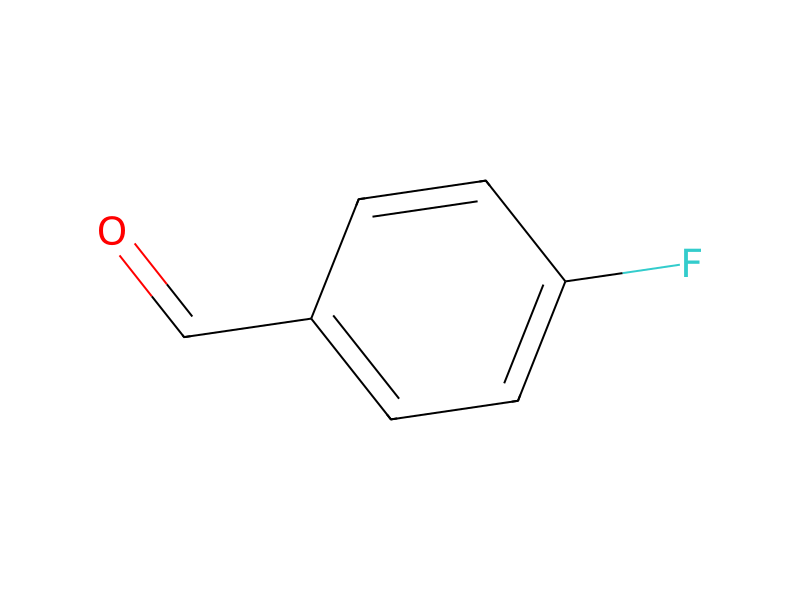

Product 1

Reagents, catalysts & solvents 2


Conditions
- Temperature
- 40 °C
Procedure
1.2 g of 2-(4-oxo-1-phenyl-1,2,3,4-tetrahydroquinazolin-3-yl)ethanol was dissolved in 8 ml of dimethyl sulfoxide. 0.27 g of 60% sodium hydride (oil) was added under ice cooling and the mixture was stirred for one hour at 40° C. Then, 0.84 g of p-fluorobenzaldehyde in 8 ml of benzene was gradually added dropwise and the mixture was allowed to stand room temperature while stirring for one hour. The reaction mixture was processed in the same manner as in the Preparation Example 1 to obtain 0.84 g (yield 50.4%) of the title compound as colorless crystals.
Workup
- customto stand room temperature
- stirringwhile stirring for one hour
- customThe reaction mixture was processed in the same manner as in the Preparation Example 1
Sources & evidence
- ORD record
- ord-144520801103452cb330f25ca4c86a0b
- Source dataset
- uspto-grants-1998_01
- Patent number
- US05710152
Reaction notes
Loading…