Diphenylphosphinic chloride → 4-Nitrobenzyl (1R,5S,6S)-2-[(2S,4S)-2-[4-(2-hydroxyethyl)-1-piperazinylcarbonyl]-1-(4-nitrobenzyloxycarbonyl)pyrrolidin-4-ylthio]-6-[(1R)-1-hydroxyethyl]-1-methyl-1-carbapen-2-em-3-carboxylate
Reaction equation

C1(P(Cl)(C2C=CC=CC=2)=O)C=CC=CC=1.C(N(C(C)C)CC)(C)C.[OH:25][C@@H:26]([C@H:28]1[C:49](=[O:50])[N:30]2[CH:31]([C:36]([O:38][CH2:39][C:40]3[CH:45]=[CH:44][C:43]([N+:46]([O-:48])=[O:47])=[CH:42][CH:41]=3)=[O:37])[C:32](=O)[C@H:33]([CH3:34])[C@H:29]12)[CH3:27].[OH:51][CH2:52][CH2:53][N:54]1[CH2:59][CH2:58][N:57]([C:60]([C@@H:62]2[CH2:66][C@H:65]([SH:67])[CH2:64][N:63]2[C:68]([O:70][CH2:71][C:72]2[CH:77]=[CH:76][C:75]([N+:78]([O-:80])=[O:79])=[CH:74][CH:73]=2)=[O:69])=[O:61])[CH2:56][CH2:55]1>C(#N)C>[OH:51][CH2:52][CH2:53][N:54]1[CH2:55][CH2:56][N:57]([C:60]([C@@H:62]2[CH2:66][C@H:65]([S:67][C:32]3[C@H:33]([CH3:34])[C@@H:29]4[C@@H:28]([C@H:26]([OH:25])[CH3:27])[C:49](=[O:50])[N:30]4[C:31]=3[C:36]([O:38][CH2:39][C:40]3[CH:41]=[CH:42][C:43]([N+:46]([O-:48])=[O:47])=[CH:44][CH:45]=3)=[O:37])[CH2:64][N:63]2[C:68]([O:70][CH2:71][C:72]2[CH:73]=[CH:74][C:75]([N+:78]([O-:80])=[O:79])=[CH:76][CH:77]=2)=[O:69])=[O:61])[CH2:58][CH2:59]1Participants
Reactant 4
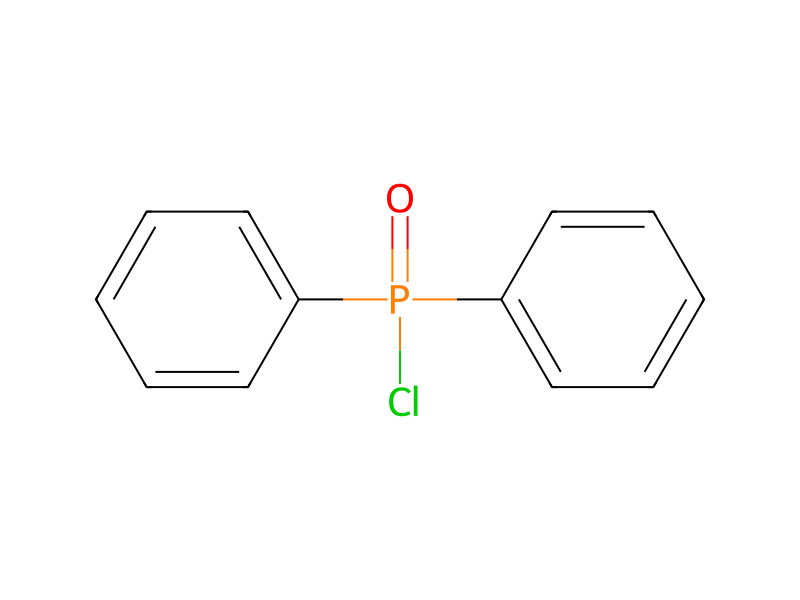 HCID 73910Diphenylphosphinic chloride
 HCID 81531Diisopropylethylamine2×
 HCID 98853021-Azabicyclo[3.2.0]heptane-2-carboxylic acid, 6-[(1R)-1-hydroxyethyl]-4-methyl-3,7-dioxo-, (4-nitrophenyl)methyl ester, (4R,5R,6S)-
 HCID 15282197(2S,4S)-2-[4-(2-Hydroxyethyl)-1-piperazinylcarbonyl]-4-mercapto-1-(4-nitrobenzyloxycarbonyl)pyrrolidine
Product 1

Reagents, catalysts & solvents 1

Procedure
1.82 ml of diphenylphosphoryl chloride and 1.54 ml of diisopropylethylamine were added dropwise, whilst ice-cooling, to a solution of 3.0 g of 4-nitrobenzyl (1R,5R,6S)-6-[(1R)-1-hydroxyethyl]-1-methyl-2-oxo-1-carbapenam-3-carboxylate in 38 ml of dry acetonitrile, and the resulting mixture was stirred at the same temperature for 1 hour. 1.54 ml of diisopropylethylamine and a solution of 3.63 g of (2S,4S)-2-[4-(2-hydroxyethyl)-1-piperazinylcarbonyl]-4-mercapto-1-(4-nitrobenzyloxycarbonyl)pyrrolidine (prepared as described in Preparation 54) in 30 ml of dry acetonitrile were then simultaneously added dropwise to the mixture, whilst ice-cooling, and the resulting mixture was stirred at the same temperature for 3 hours, after which it was allowed to stand overnight in a refrigerator. At the end of this time, the reaction mixture was worked up in a similar manner to that described in Example 49(b). The crude product was then purified by column chromatography through silica gel, using a 2:1 by volume mixture of ethyl acetate and methanol as the eluent, to give 3.4 g of the title compound, as a powder. The infrared absorption spectrum and nuclear magnetic resonance spectrum of the product were identical with those of the compound prepared as described in step 54(i), above.
Workup
- temperaturecooling
- stirringthe resulting mixture was stirred at the same temperature for 3 hours
- waitto stand overnight in a refrigerator
- customThe crude product was then purified by column chromatography through silica gel
- additionby volume mixture of ethyl acetate and methanol as the eluent
Sources & evidence
- ORD record
- ord-fe0797f98fe84cafb5751cbe93d1035f
- Source dataset
- uspto-grants-1998_01
- Patent number
- US05712267
Reaction notes
Loading…