Hydrochloric Acid → 4-[1-(1-Imidazolyl)-butyl]-benzoic acid cyclohexyl ester
Reaction equation

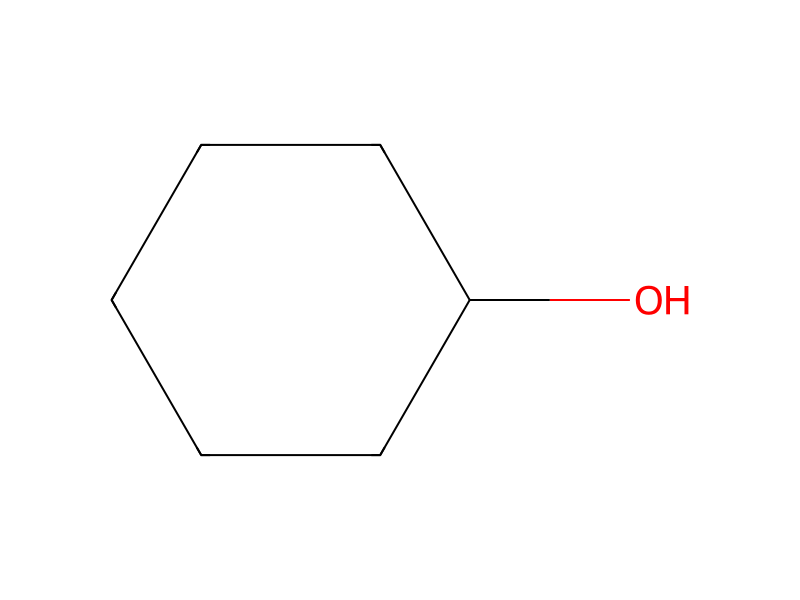
[N:1]1([CH:6]([C:10]2[CH:18]=[CH:17][C:13]([C:14]([OH:16])=[O:15])=[CH:12][CH:11]=2)[CH2:7][CH2:8][CH3:9])[CH:5]=[CH:4][N:3]=[CH:2]1.[CH:19]1(O)[CH2:24][CH2:23][CH2:22][CH2:21][CH2:20]1.N1C=CC=CC=1.Cl>C(Cl)Cl>[CH:19]1([O:15][C:14](=[O:16])[C:13]2[CH:17]=[CH:18][C:10]([CH:6]([N:1]3[CH:5]=[CH:4][N:3]=[CH:2]3)[CH2:7][CH2:8][CH3:9])=[CH:11][CH:12]=2)[CH2:24][CH2:23][CH2:22][CH2:21][CH2:20]1Participants
6





Procedure
1 g of 4-[1-(1-imidazolyl)-butyl]-benzoic acid is converted, analogously to example 20, into the acid chloride; it is dissolved in 10 ml of methylene chloride, mixed with 360 mg of cyclohexanol and 3 ml of pyridine, after 20 hours at room temperature it is added to excess 1M hydrochloric acid and extracted with ether. The water phase is alkalized with potassium carbonate and extracted with ethyl acetate. After drying and concentration by evaporation, the residue is distilled on a bulb tube. 915 mg of the title compound is obtained as oil with a boiling point of 200° C./0.03 mbar.
Workup
- extractionextracted with ether
- extractionextracted with ethyl acetate
- customAfter drying
- concentrationconcentration
- customby evaporation
- distillationthe residue is distilled on a bulb tube
Sources & evidence
- ORD record
- ord-84c8a2d813d8415892ee96a287f42d37
- Source dataset
- uspto-grants-1991_09
- Patent number
- US05045558
Reaction notes
Loading…