Pyrrole → meso-Tetra(4-carboxyphenyl)porphine
Reaction equation

[C:1]([C:4]1[CH:11]=[CH:10][C:7]([CH:8]=O)=[CH:6][CH:5]=1)([OH:3])=[O:2].[NH:12]1[CH:16]=[CH:15][CH:14]=[CH:13]1>C(O)(=O)CC>[C:1]([C:4]1[CH:11]=[CH:10][C:7]([C:8]2[C:16]3[NH:12][C:13]([C:8]([C:7]4[CH:10]=[CH:11][C:4]([C:1]([OH:3])=[O:2])=[CH:5][CH:6]=4)=[C:13]4[N:12]=[C:16]([C:8]([C:7]5[CH:10]=[CH:11][C:4]([C:1]([OH:3])=[O:2])=[CH:5][CH:6]=5)=[C:13]5[NH:12][C:16](=[C:8]([C:7]6[CH:6]=[CH:5][C:4]([C:1]([OH:3])=[O:2])=[CH:11][CH:10]=6)[C:13]6[CH:14]=[CH:15][C:16]=2[N:12]=6)[CH:15]=[CH:14]5)[CH:15]=[CH:14]4)=[CH:14][CH:15]=3)=[CH:6][CH:5]=1)([OH:3])=[O:2]Participants
4
Reactant 2
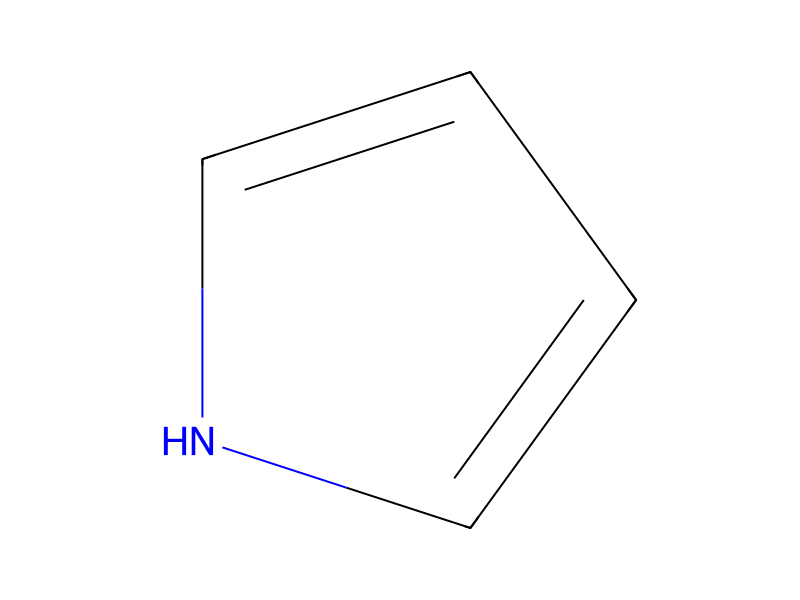
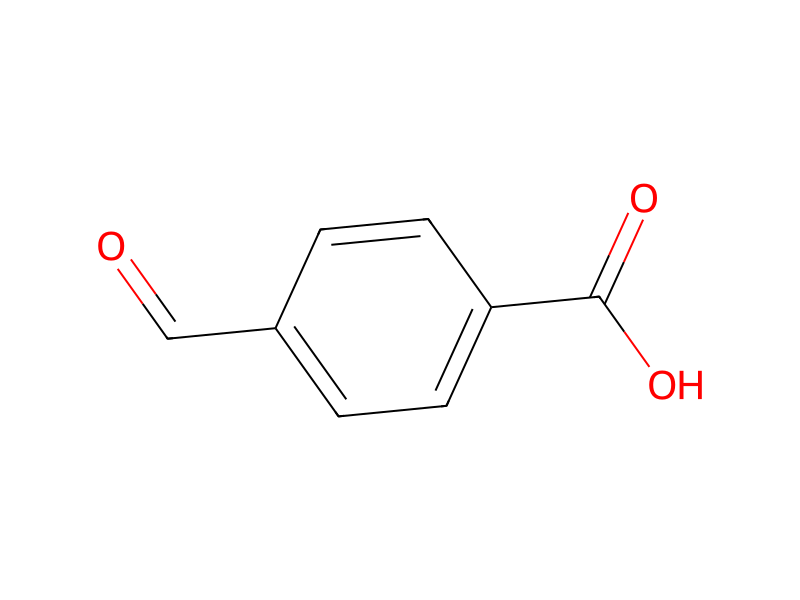
Product 1

Reagents, catalysts & solvents 1
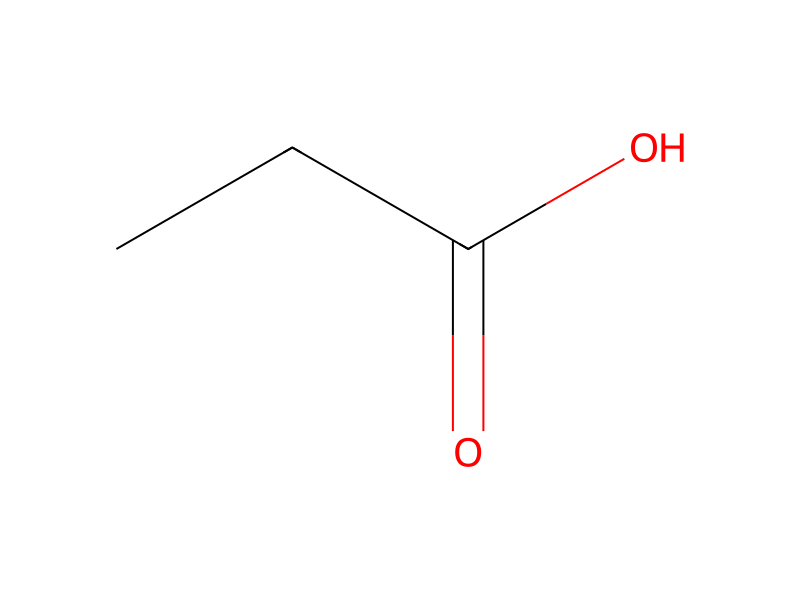
Procedure
In refluxed propionic acid, 30 g of 4-carboxybenzaldehyde was reacted with 13.4 g of pyrrole to obtain 6.9 g of 5,10,15,20-tetra(4-carboxyphenyl)porphine. This porphine derivative was reacted with an aqueous solution containing four equivalents of sodium hydroxide to obtain tetrasodium 5,10,15,20-tetra(4-carbonatophenyl)porphine.
Sources & evidence
- ORD record
- ord-2f33f278bf63409fb061997ac73003ad
- Source dataset
- uspto-grants-1991_09
- Patent number
- US05051337
Reaction notes
Loading…