Acetic Acid → 4-(5-Isopropyl-2-Methyl-1,3-Thiazol-4-Yl)-Phenol
Reaction equation

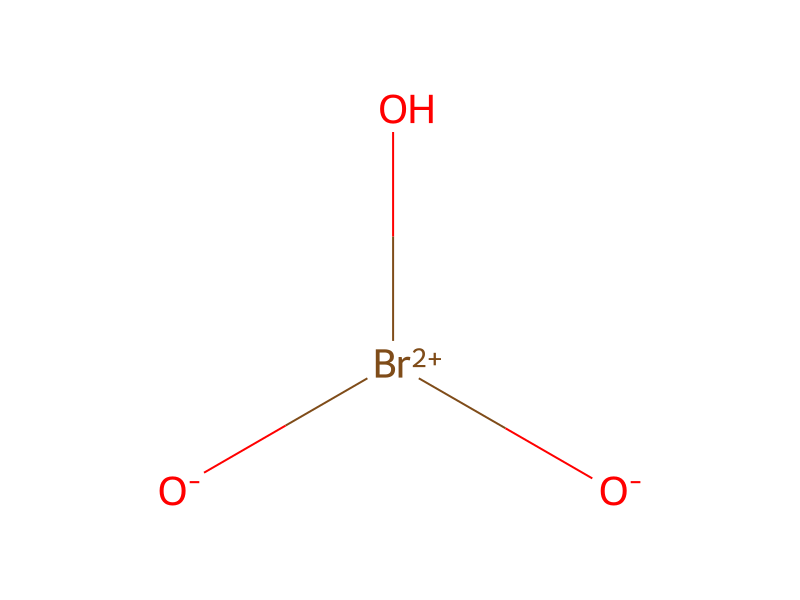
[CH:1]([C:4]1[S:8][C:7]([CH3:9])=[N:6][C:5]=1[C:10]1[CH:15]=[CH:14][C:13]([O:16]C)=[CH:12][CH:11]=1)([CH3:3])[CH3:2].C(O)(=O)C.Br(O)(=O)=O.C(=O)([O-])[O-].[K+].[K+]>ClCCl>[CH:1]([C:4]1[S:8][C:7]([CH3:9])=[N:6][C:5]=1[C:10]1[CH:11]=[CH:12][C:13]([OH:16])=[CH:14][CH:15]=1)([CH3:3])[CH3:2]Participants





Procedure
While 35.8 g of 5-isopropyl-4-(4-methoxy-phenyl)-2-methyl-1,3-thiazol (5) prepared in Example 3 were added to 86 ml of acetic acid and stirred, 500 ml of 48% bromic acid were added. Subsequently, the temperature was gradually increased and stirring under reflux was continued for 18 hr. The temperature was decreased to room temperature, and 400 ml of dichloromethane were added and stirring was further continued for 30 min. Then, the dichloromethane layer was removed. Thereafter, the obtained reaction solution was added with a saturated aqueous solution of potassium carbonate to be neutralized at pH 7-8, after which the precipitated solid was filtered and then washed with water, thus obtaining 28.4 g (yield: 84%) of a title compound as a solid.
Workup
- temperatureSubsequently, the temperature was gradually increased
- stirringstirring
- temperatureunder reflux
- customwas decreased to room temperature
- stirringstirring
- waitwas further continued for 30 min
- customThen, the dichloromethane layer was removed
- customThereafter, the obtained reaction solution
- filtrationafter which the precipitated solid was filtered
- washwashed with water
Sources & evidence
- ORD record
- ord-99e28f6d90aa4fec9a62e66e94631da9
- Source dataset
- uspto-grants-2009_09
- Patent number
- US07585979B2
Reaction notes
Loading…