Hydrogen Peroxide → HCID 178511495, compound
Reaction equation

O.O.O.O.O.O.[Fe:7](Cl)(Cl)Cl.OO.[Fe-3:13]([C:24]#[N:25])([C:22]#[N:23])([C:20]#[N:21])([C:18]#[N:19])([C:16]#[N:17])[C:14]#[N:15].[K+].[K+].[K+].[Fe:29](Cl)(Cl)Cl.O=O>O>[Fe-4:13]([C:22]#[N:23])([C:18]#[N:19])([C:14]#[N:15])([C:16]#[N:17])([C:20]#[N:21])[C:24]#[N:25].[Fe+3:7].[Fe-4:13]([C:22]#[N:23])([C:18]#[N:19])([C:14]#[N:15])([C:16]#[N:17])([C:20]#[N:21])[C:24]#[N:25].[Fe-4:13]([C:22]#[N:23])([C:18]#[N:19])([C:14]#[N:15])([C:16]#[N:17])([C:20]#[N:21])[C:24]#[N:25].[Fe+3:29].[Fe+3:7].[Fe+3:7]Participants


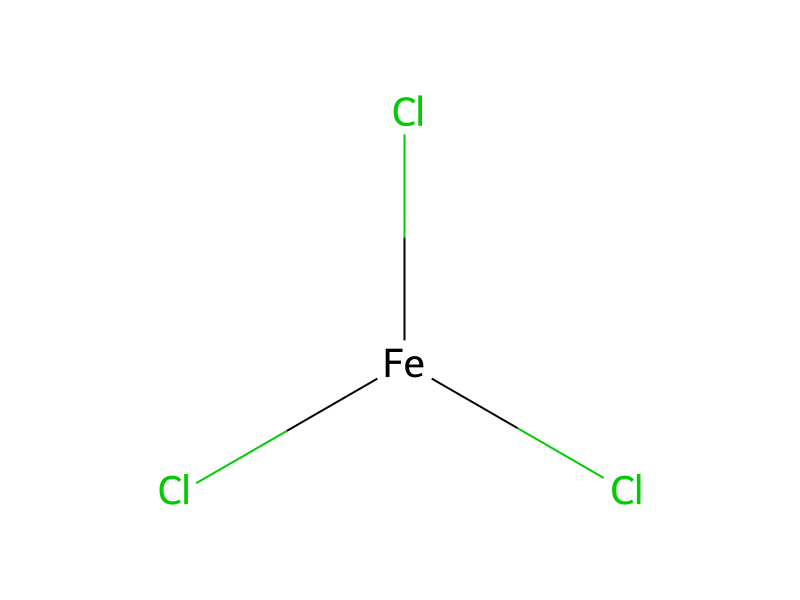



Procedure
The electrochromic layer was prepared in the following manner: Into a tall 180 mL beaker equipped with a stirring bar was measured 85 g of distilled water, 0.230 g of iron (III) chloride hexahydrate and about 0.6 mL of the 1% hydrogen peroxide solution. Into a 100 mL beaker was measured 60 g of distilled water, 0.2 g of potassium ferricyanide (III) and about 0.6 mL of the 1% hydrogen peroxide solution. With vigorous stirring, the potassium ferricyanide (III) solution was slowly added dropwise to the iron (III) chloride solution. The solution turned blue and generated oxygen bubbles. The solution was allowed to stir for 30 minutes to complete the reaction. This resulted in an aqueous dispersion with iron (III) ferrocyanide particles about 2 nm in average size. The dispersion was covered and allowed to settle.
Workup
- customThe electrochromic layer was prepared in the following manner
- customInto a tall 180 mL beaker equipped with a stirring bar
- customthe reaction
Sources & evidence
- ORD record
- ord-a9acb7d604bd45f1a045fa71b6673c34
- Source dataset
- uspto-grants-2009_09
- Patent number
- US07586665B1
Reaction notes
Loading…