Trimethylsilylacetylene → 2-(2,4-Dichlorophenyl)-5-trimethylsilanylethynylpyrazine
Reaction equation

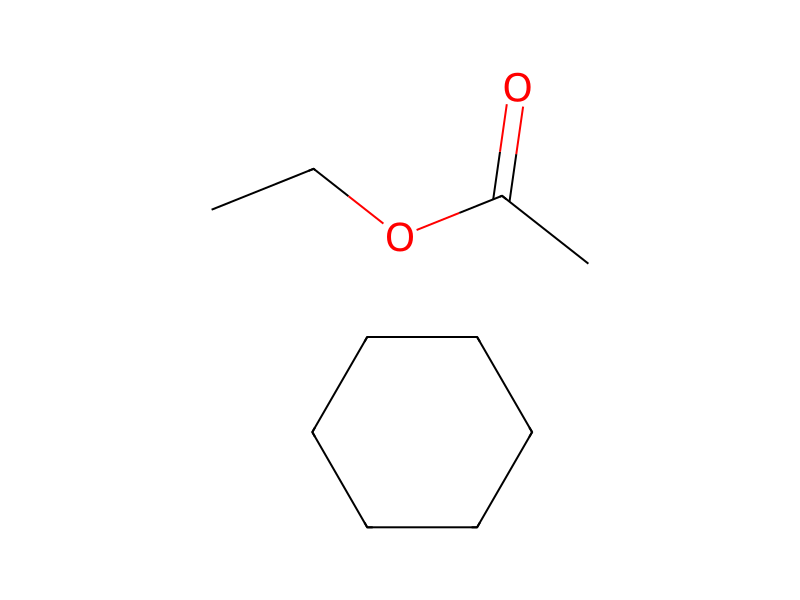
[Cl:1][C:2]1[CH:7]=[C:6]([Cl:8])[CH:5]=[CH:4][C:3]=1[C:9]1[CH:14]=[N:13][C:12](I)=[CH:11][N:10]=1.[CH3:16][Si:17]([C:20]#[CH:21])([CH3:19])[CH3:18]>C1CCCCC1.CCOC(C)=O>[Cl:1][C:2]1[CH:7]=[C:6]([Cl:8])[CH:5]=[CH:4][C:3]=1[C:9]1[CH:14]=[N:13][C:12]([C:21]#[C:20][Si:17]([CH3:19])([CH3:18])[CH3:16])=[CH:11][N:10]=1Participants
4
Reactant 2


Product 1

Reagents, catalysts & solvents 1
Procedure
The product was prepared analogously to Example 48.1c from 450 mg (1.28 mmol) of 2-(2,4-dichlorophenyl)-5-iodopyrazine and 0.20 mL (1.41 mmol) of trimethylsilylacetylene (using triethylamine as base). Yield: 300 mg (73% of theoretical); C15H14Cl2N2Si (M=321.276); calc.: molpeak (M+H)+:321/323/325 (2 Cl); found: molpeak (M+H)+:321/323/325 (2 Cl); Rf value: 0.6 (silica gel, cyclohexane/EtOAc 9:1).
Sources & evidence
- ORD record
- ord-adfd0c866c4d48d9a65f7d13c567b836
- Source dataset
- uspto-grants-2009_09
- Patent number
- US07592358B2
Reaction notes
Loading…