Ethyl Bromide → Diethyl (R)-(2-(4-benzyl-2-oxooxazolidin-3-yl)-2-oxoethyl)phosphonate
Reaction equation

[CH2:1]([C@@H:8]1[CH2:12][O:11][C:10](=[O:13])[N:9]1[C:14](=[O:17])[CH2:15]Br)[C:2]1[CH:7]=[CH:6][CH:5]=[CH:4][CH:3]=1.[CH2:18]([O:20][P:21]([O:25]CC)[O:22][CH2:23][CH3:24])[CH3:19].C(Br)C>>[CH2:18]([O:20][P:21]([CH2:15][C:14]([N:9]1[C@H:8]([CH2:1][C:2]2[CH:7]=[CH:6][CH:5]=[CH:4][CH:3]=2)[CH2:12][O:11][C:10]1=[O:13])=[O:17])(=[O:25])[O:22][CH2:23][CH3:24])[CH3:19]Participants
4

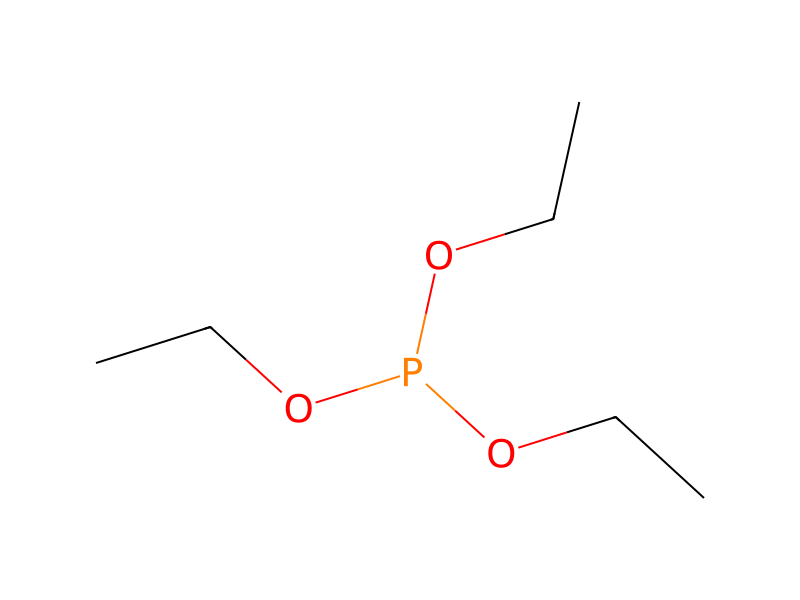


Procedure
A solution of 168.0 g (0.56 mol) (R)-4-benzyl-3-(2-bromo-acetyl)-oxazolidin-2-one and 188.6 mL (1.1 mol) of triethylphosphite was stirred for 1.5 h at 60° C., while the ethylbromide formed was distilled off. The reaction mixture was concentrated by evaporation i. vac. and the residue remaining was purified by chromatography on silica gel. The desired product was obtained in the form of a yellowish-brown oil.
Workup
- customformed
- distillationwas distilled off
- concentrationThe reaction mixture was concentrated by evaporation i
- customand the residue remaining was purified by chromatography on silica gel
Sources & evidence
- ORD record
- ord-79ad2354fe634f50857badcb6b35f6fa
- Source dataset
- uspto-grants-2009_09
- Patent number
- US07595312B2
Reaction notes
Loading…