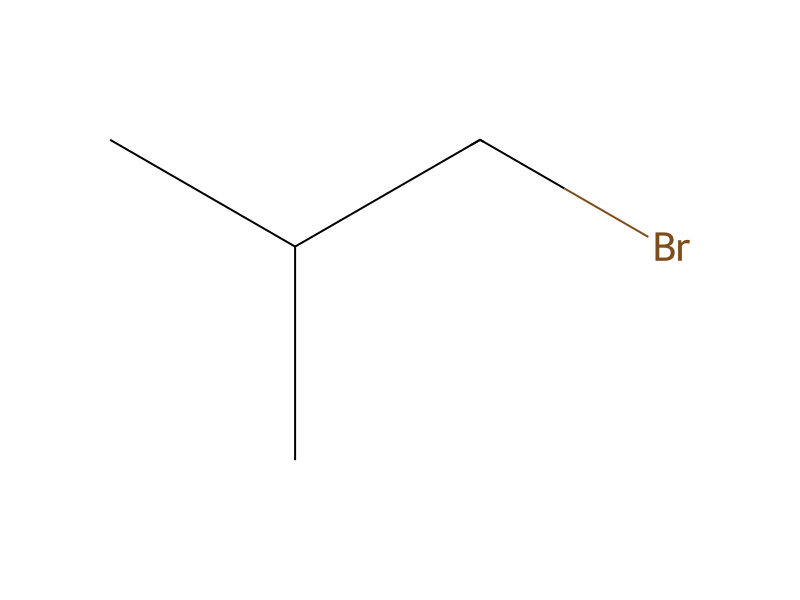
1-Bromo-2-methylpropane → Quinolizidin-2-ylmethyl-1-isobutylindole-3-carboxylate
Reaction equation

[CH2:1]1[CH:10]2[N:5]([CH2:6][CH2:7][CH2:8][CH2:9]2)[CH2:4][CH2:3][CH:2]1[CH2:11][O:12][C:13]([C:15]1[C:23]2[C:18](=[CH:19][CH:20]=[CH:21][CH:22]=2)[NH:17][CH:16]=1)=[O:14].Br[CH2:25][CH:26]([CH3:28])[CH3:27]>>[CH2:1]1[CH:10]2[N:5]([CH2:6][CH2:7][CH2:8][CH2:9]2)[CH2:4][CH2:3][CH:2]1[CH2:11][O:12][C:13]([C:15]1[C:23]2[C:18](=[CH:19][CH:20]=[CH:21][CH:22]=2)[N:17]([CH2:25][CH:26]([CH3:28])[CH3:27])[CH:16]=1)=[O:14]Participants
3


Procedure
eq-Quinolizidin-2-ylmethylindole-3-carboxylate (E9b) was alkylated with 1-bromo-2-methylpropane using the method in Example 18. The product was chromatographed on silica gel eluting initially with ether, then with ethyl acetate, to afford the title compound (E20) as a colourless oil. This was converted to its hydrochloride salt mp 174°-175° C. (acetone/ether).
Workup
- customThe product was chromatographed on silica gel eluting initially with ether
Sources & evidence
- ORD record
- ord-cde6ba34dbe54f17a57946b65f156353
- Source dataset
- uspto-grants-1996_09
- Patent number
- US05552398
Reaction notes
Loading…