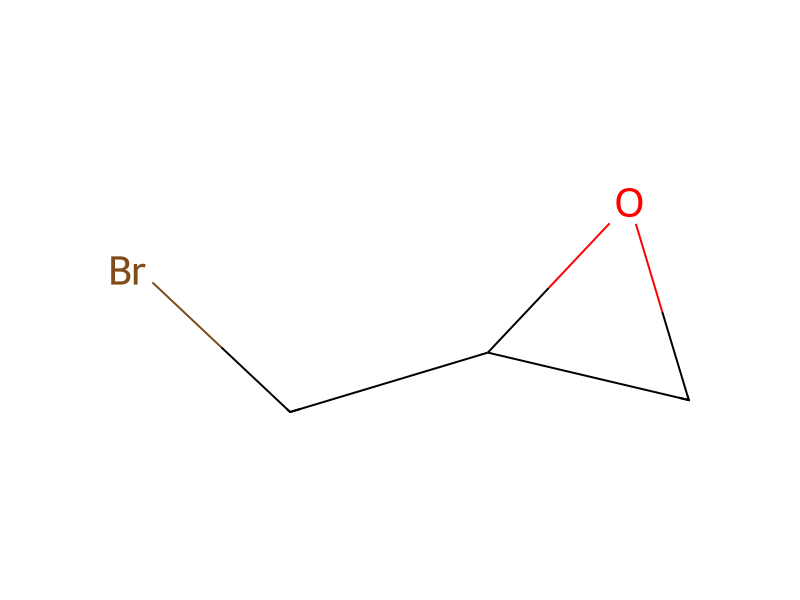
Epibromohydrin → 2-{2-[4-(3-Methoxyphenyl)butyl]phenoxymethyl}oxirane
Reaction equation

[CH3:1][O:2][C:3]1[CH:4]=[C:5]([CH2:9][CH2:10][CH2:11][CH2:12][C:13]2[CH:18]=[CH:17][CH:16]=[CH:15][C:14]=2[OH:19])[CH:6]=[CH:7][CH:8]=1.[CH3:20][C:21](C)([O-:23])[CH3:22].[K+].C(C1OC1)Br>CC(N(C)C)=O>[CH3:1][O:2][C:3]1[CH:4]=[C:5]([CH2:9][CH2:10][CH2:11][CH2:12][C:13]2[CH:18]=[CH:17][CH:16]=[CH:15][C:14]=2[O:19][CH2:20][CH:21]2[CH2:22][O:23]2)[CH:6]=[CH:7][CH:8]=1Participants
5




Procedure
Following a procedure similar to that described in Example 1(a), 3.40 g of 2-[4-(3-methoxyphenyl)butyl]phenol (prepared as described in Preparation 7), 1.5 g of potassium t-butoxide and 3.63 9 of epibromohydrin were reacted in 70 ml of dimethylacetamide. The crude product, extracted as described in Example 1(a), was purified as described in Example 1(a), to give 3.73 g (yield 90%) of the title compound as a colorless oil.
Workup
- extractionThe crude product, extracted
- customwas purified
Sources & evidence
- ORD record
- ord-458971f6211a42c1b3108357c65c517e
- Source dataset
- uspto-grants-1996_09
- Patent number
- US05556864
Reaction notes
Loading…