5-Nitrobenzimidazole → ethyl 2-(5-nitro-1H-benzimidazol-1-yl)octanoate
Reaction equation

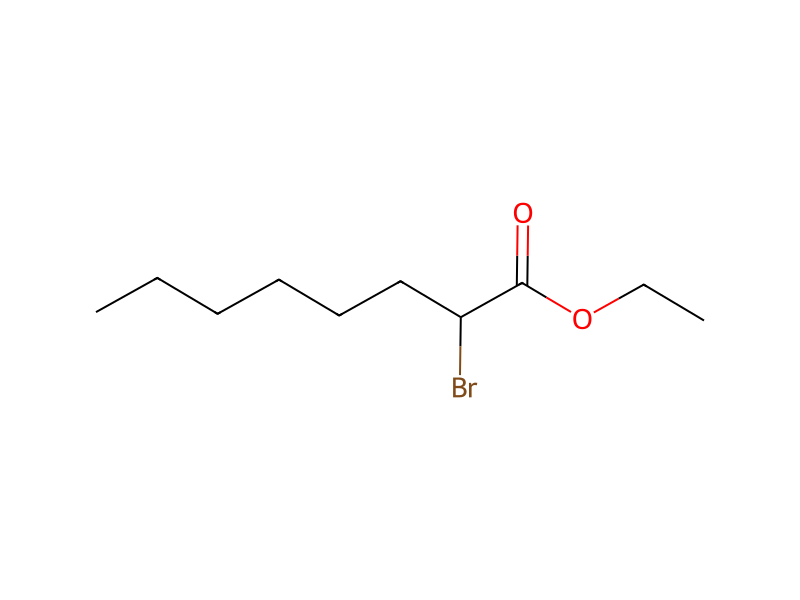
[N+:1]([C:4]1[CH:12]=[CH:11][C:7]2[N:8]=[CH:9][NH:10][C:6]=2[CH:5]=1)([O-:3])=[O:2].[H-].[Na+].Br[CH:16]([CH2:22][CH2:23][CH2:24][CH2:25][CH2:26][CH3:27])[C:17]([O:19][CH2:20][CH3:21])=[O:18]>>[N+:1]([C:4]1[CH:12]=[CH:11][C:7]2[N:8]([CH:16]([CH2:22][CH2:23][CH2:24][CH2:25][CH2:26][CH3:27])[C:17]([O:19][CH2:20][CH3:21])=[O:18])[CH:9]=[N:10][C:6]=2[CH:5]=1)([O-:3])=[O:2]Participants
4



Procedure
5-Nitrobenzimidazole (0.109 moles, 17.8 g.) was reacted with sodium hydride (0.122 moles, 4.9 g of 60% in mineral oil) and ethyl 2-bromooctanoate (0.102 moles, 22 ml) as in Example 11 to produce a mixture of the 5 and 6 isomer. The isomers were separated to yield 7.8 g of ethyl 2-(5-nitro-1H-benzimidazol-l-yl)octanoate.
Workup
- customto produce
- additiona mixture of the 5 and 6 isomer
- customThe isomers were separated
Sources & evidence
- ORD record
- ord-bb1d38eaa71045d18e5ecd279e6753dd
- Source dataset
- uspto-grants-1996_09
- Patent number
- US05556981
Reaction notes
Loading…