Diisobutylaluminum hydride → 3-Propoxypicolinaldehyde
Reaction equation

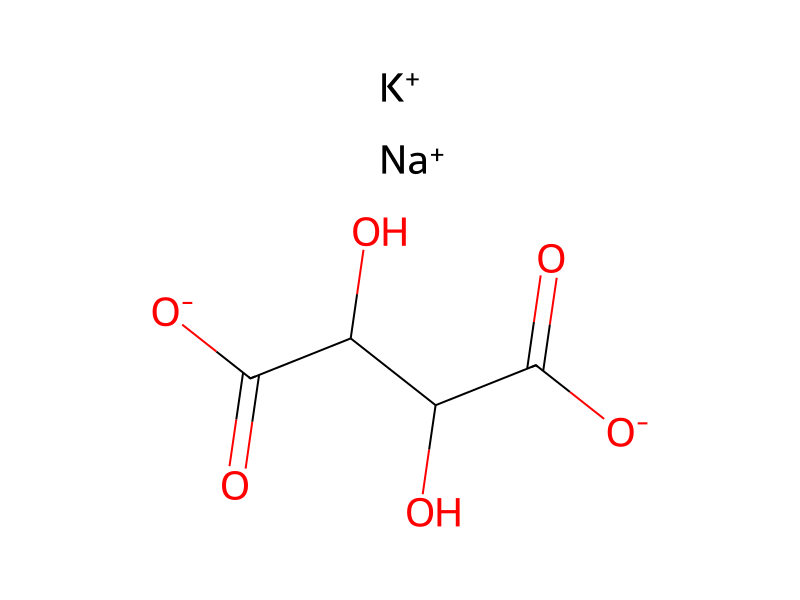
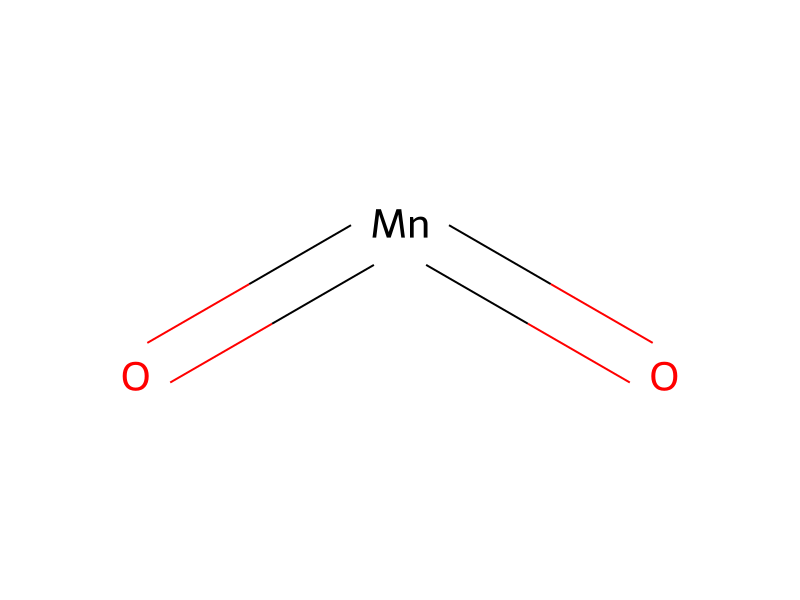
C([O:4][C:5](=O)[C:6]1[C:11]([O:12][CH2:13][CH2:14][CH3:15])=[CH:10][CH:9]=[CH:8][N:7]=1)CC.CC(C[AlH]CC(C)C)C.C(C(C(C([O-])=O)O)O)([O-])=O.[K+].[Na+]>C(Cl)Cl.O=[Mn]=O>[CH2:13]([O:12][C:11]1[C:6]([CH:5]=[O:4])=[N:7][CH:8]=[CH:9][CH:10]=1)[CH2:14][CH3:15]Participants




Conditions
- Temperature
- -78 °C
Procedure
To a stirred solution of 3-n-propoxypicolinic acid n-propyl ester (0.1209 g, 0.541 mmol) in dry CH2Cl2 (5 mL) at −78° C. was added DIBAL-H (1.0 M, 2.5 mL, 2.5 mmol). The mixture was stirred at −78° C. for 1 hr, then at room temperature for 3 hrs. The mixture was poured into saturated aqueous sodium potassium tartrate (15 mL), diluted with CH2Cl2 (15 mL) and stirred vigorously for 65 hrs. The phases were separated and the aqueous phase extracted with CH2Cl2 (3×20 mL). The combined organic phases were dried (Na2SO4) and concentrated to give a yellow oil. The yellow oil was dissolved in CH2Cl2 (5 mL) and treated with MnO2 (85%, 0.4549 g, 4.45 mmol). The mixture was stirred for 19 hrs then filtered through celite. The filtrate was concentrated to give 0.1014 g of 3-n-propoxypyridine-2-carboxaldehyde as an orange oil. 1H NMR (CDCl3) d 1.09 (t, 3H, J=7.4 Hz), 1.91 (sextet, 2H, J=7.1 Hz), 4.07 (t, 2H, J=6.6 Hz), 7.38-7.47 (m, 2H), 8.39 (dd, 2H, J=4.4, 1.4 Hz), 10.43 (s, 1H).
Workup
- waitat room temperature for 3 hrs
- stirringstirred vigorously for 65 hrs
- customThe phases were separated
- extractionthe aqueous phase extracted with CH2Cl2 (3×20 mL)
- dry with materialThe combined organic phases were dried (Na2SO4)
- concentrationconcentrated
- customto give a yellow oil
- stirringThe mixture was stirred for 19 hrs
- filtrationthen filtered through celite
- concentrationThe filtrate was concentrated
Sources & evidence
- ORD record
- ord-1cf7440850464f57ba3bc8dc57ed1d67
- Source dataset
- uspto-grants-2008_07
- Patent number
- US07396840B2
Reaction notes
Loading…