Sodium Hydroxide → 4-Benzyloxy-3-methoxy-benzonitrile
Reaction equation

[CH2:1]([O:8][C:9]1[CH:16]=[CH:15][C:12]([CH:13]=O)=[CH:11][C:10]=1[O:17][CH3:18])[C:2]1[CH:7]=[CH:6][CH:5]=[CH:4][CH:3]=1.C([O-])(=O)C.[Na+].Cl.[NH2:25]O.[OH-].[Na+]>C(O)(=O)C>[CH2:1]([O:8][C:9]1[CH:16]=[CH:15][C:12]([C:13]#[N:25])=[CH:11][C:10]=1[O:17][CH3:18])[C:2]1[CH:7]=[CH:6][CH:5]=[CH:4][CH:3]=1Participants

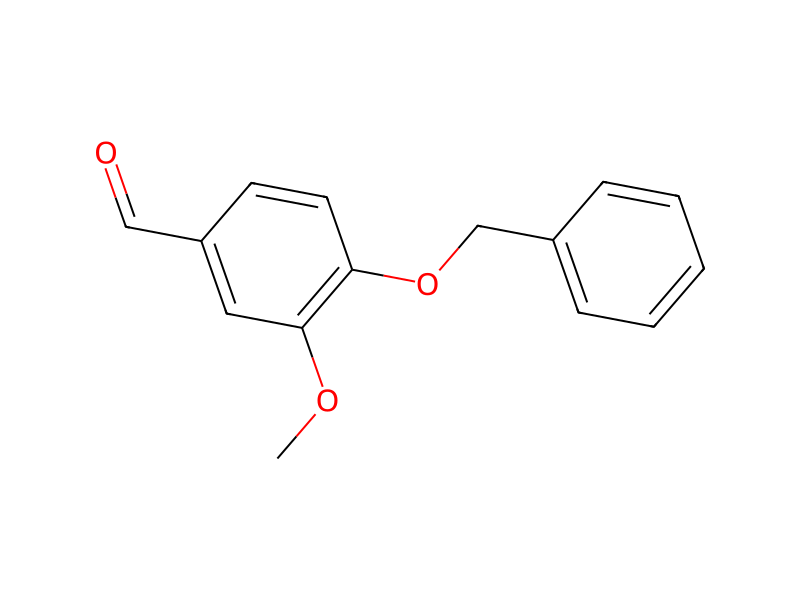



Procedure
A mixture of 4-benzyloxy-3-methoxybenzaldehyde (157 g, 649 mmol), sodium acetate (106 g, 1.29 mol), hydroxylamine hydrochloride (90 g, 1.29 mol) and acetic acid (500 ml) was heated at reflux for 21 hours. The solvent was evaporated and ice/water (1000 ml) was added to the residue forming a sticky solid. The mixture was neutralised with aqueous sodium hydroxide solution then extracted with dichloromethane (2×500 ml). The organic solution was washed with 1.0 N sodium hydroxide (100 ml), brine (100 ml) and then dried over magnesium sulphate. Solvent evaporation in vacuo, trituration of the residue with hexane:ethyl acetate (3:1) and collection of the solid by suction filtration yielded 4-benzyloxy-3-methoxybenzonitrile (123 g, 80% yield) as a brown solid:
Workup
- temperaturewas heated
- temperatureat reflux for 21 hours
- customThe solvent was evaporated
- additionice/water (1000 ml) was added to the residue
- customforming a sticky solid
- extractionthen extracted with dichloromethane (2×500 ml)
- washThe organic solution was washed with 1.0 N sodium hydroxide (100 ml), brine (100 ml)
- dry with materialdried over magnesium sulphate
- customSolvent evaporation in vacuo, trituration of the residue
- customwith hexane:ethyl acetate (3:1) and collection of the solid
- filtrationby suction filtration
Sources & evidence
- ORD record
- ord-f2169665e72345cc96a1340fd320e72d
- Source dataset
- uspto-grants-2008_07
- Patent number
- US07402585B2
Reaction notes
Loading…