Glycidyl methacrylate → Sorbitol
Reaction equation

[OH:1][CH2:2][C@@H:3]([C@H:5]([C@@H:7]([C@@H:9]([CH2:11][OH:12])[OH:10])[OH:8])[OH:6])[OH:4].[CH2:13]1[O:15][CH2:14]1.[OH-].[Na+].C(OCC1OC1)(=O)C(C)=C>>[OH:12][CH2:11][C@@H:9]([C@H:7]([C@@H:5]([C@@H:3]([CH2:2][OH:1])[OH:4])[OH:6])[OH:8])[OH:10].[CH2:14]1[O:15][CH2:13]1.[OH:12][CH2:11][C@@H:9]([C@H:7]([C@@H:5]([C@@H:3]([CH2:2][OH:1])[OH:4])[OH:6])[OH:8])[OH:10]Participants
5
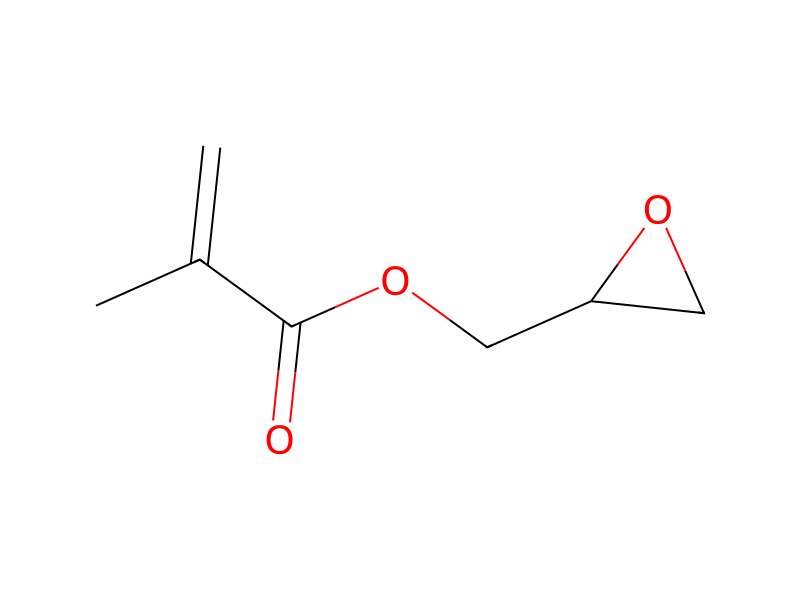


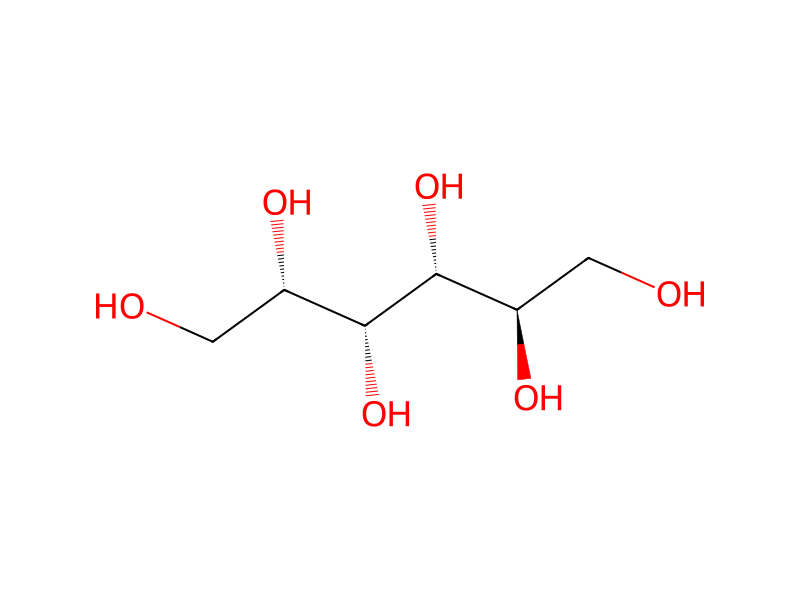
Conditions
- Temperature
- 90 °C
Procedure
A glass-made reaction apparatus equipped with a thermometer, stirrer, dropping device, nitrogen/air inlet tube and reflux condenser was charged with 300 parts of a sorbitol-ethylene oxide adduct (compound obtained by addition of 10 moles, on average, of ethylene oxide to hydroxyl groups of sorbitol) and 0.08 part of sodium hydroxide, and the temperature was raised to 90° C. in a nitrogen atmosphere. While the reaction system was maintained at 90° C., 22.9 parts of glycidyl methacrylate was added over 1 hour. After completion of the addition, stirring was continued at 90° C. for 2 hours to give a sorbitol-ethylene oxide adduct monomer (sorbitol-EO adduct macromer).
Workup
- customA glass-made reaction apparatus equipped with a thermometer, stirrer
- temperaturereflux condenser
- temperatureWhile the reaction system was maintained at 90° C.
- additionAfter completion of the addition
Sources & evidence
- ORD record
- ord-2a37e73c5e1a4a4ab7e47767acf22391
- Source dataset
- uspto-grants-2008_07
- Patent number
- US07405264B2
Reaction notes
Loading…