Hydrochloric Acid → 5-Bromo-2'-chloro-2-aminobenzophenone
Reaction equation

[Cl:1][C:2]1[CH:10]=[CH:9][CH:8]=[CH:7][C:3]=1[C:4](Cl)=[O:5].[Br:11][C:12]1[CH:18]=[CH:17][C:15]([NH2:16])=[CH:14][CH:13]=1.Cl.OS(O)(=O)=O>[Cl-].[Cl-].[Zn+2].O>[NH2:16][C:15]1[CH:17]=[CH:18][C:12]([Br:11])=[CH:13][C:14]=1[C:4]([C:3]1[CH:7]=[CH:8][CH:9]=[CH:10][C:2]=1[Cl:1])=[O:5]Participants


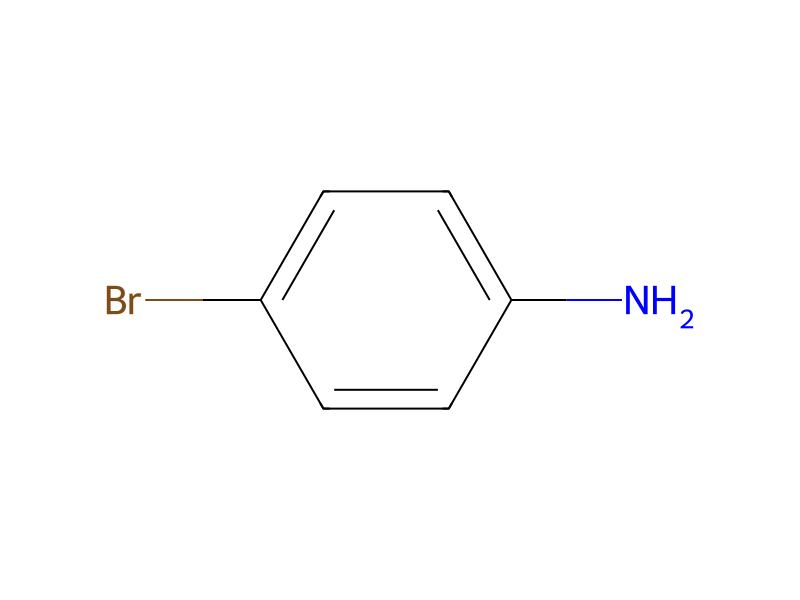




Conditions
- Temperature
- 120 °C
Procedure
2-Chlorobenzoyl chloride (177 mL, 1.4 mol) was cooled in a 2-L flask equipped with a condenser and a thermometer to 0° C. with an ice-water bath and 4-bromoaniline (100 g, 0.58 mol) was added to the cooled solution. The mixture was heated to 120° C. and kept at this temperature for 1 h until analysis by TLC indicated 4-bromoaniline had been consumed (EtOAc:hexane, 1:4). The solution was heated to 160° C. and anhydrous ZnCl2 (95 g, 0.70 mol, flamed dried) was added in one portion. The temperature was increased to 195° C. and stirring was maintained at this temperature for 3 hr until no more bubbles were evolved. The mixture was cooled to 120° C. and aq HCl (12%, 350 mL) was added dropwise slowly. The mixture was kept at reflux for 20 min, after which the aq layer was poured off. This procedure with aq HCl was repeated 4 times. Water (350 mL) was then added, and the mixture held at reflux for 20 min and then the water was poured off. This was repeated several times until the solid was not a block any more. Then H2SO4 (72%, 700 mL) was added to the residue and the mixture was heated to reflux for about 1 hr until the reaction mixture became a homogeneous dark colored solution. The hot acidic solution was poured into a mixture of ice and water with stirring. The precipitate which resulted was filtered and washed with a large amount of cold water until the pH value of the solid was about 6. The solid was then suspended in ice water and aq NaOH (40%, 290 mL) was added carefully. The mixture which resulted was stirred for 2 hrs. The solid was filtered and washed with ice water. The suspension of the solid in ice water was adjusted carefully to approximately pH=3 with aq H2SO4 (40%) dropwise. The solid which remained was filtered and washed with water to neutrality. The yellow solid 19 (66.1 g, 37.0%) was dried and used directly in the next step without further purification. 1H NMR (300 MHz, CDCl3) δ 6.49 (s, br, 2H), 6.65 (d, 1H, J=8.82 Hz), 7.26-7.8 (m, 6H).
Workup
- customequipped with a condenser
- customhad been consumed (EtOAc:hexane, 1:4)
- temperatureThe solution was heated to 160° C.
- temperatureThe temperature was increased to 195° C.
- temperaturewas maintained at this temperature for 3 hr until no more bubbles
- temperatureThe mixture was cooled to 120° C.
- temperatureat reflux for 20 min
- additionafter which the aq layer was poured off
- temperatureat reflux for 20 min
- temperaturethe mixture was heated
- temperatureto reflux for about 1 hr until the reaction mixture
- stirringwith stirring
- customThe precipitate which resulted
- filtrationwas filtered
- washwashed with a large amount of cold water until the pH value of the solid
- additionaq NaOH (40%, 290 mL) was added carefully
- customThe mixture which resulted
- stirringwas stirred for 2 hrs
- filtrationThe solid was filtered
- washwashed with ice water
- additionThe suspension of the solid in ice water
- filtrationThe solid which remained was filtered
- washwashed with water to neutrality
- dry with materialThe yellow solid 19 (66.1 g, 37.0%) was dried
- customused directly in the next step without further purification
Sources & evidence
- ORD record
- ord-80a5016473e44a4f9b3960526c6c37d4
- Source dataset
- uspto-grants-2014_09
- Patent number
- US08835424B2
Reaction notes
Loading…