Sodium Carbonate → 3-bromo-1-ethyl-quinoxalin-2(1H)-one
Reaction equation

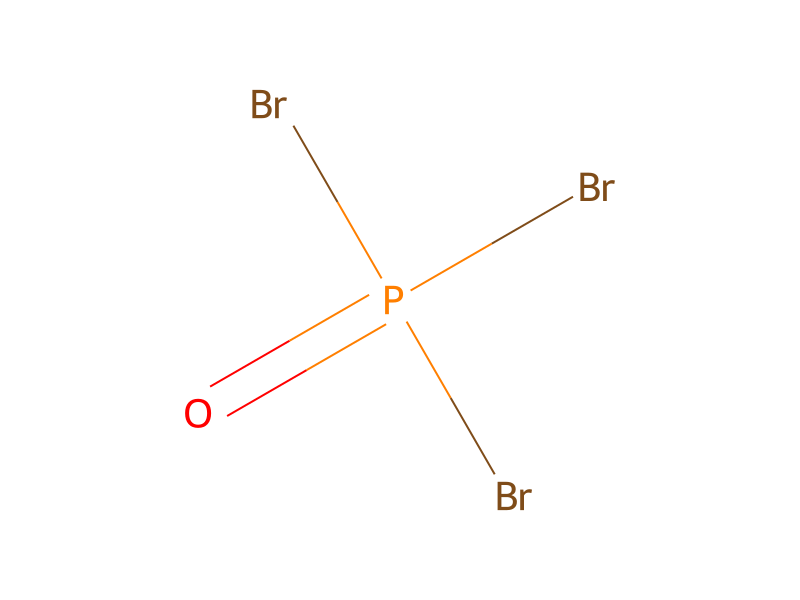
[CH2:1]([N:3]1[C:12]2[C:7](=[CH:8][CH:9]=[CH:10][CH:11]=2)[NH:6][C:5](=O)[C:4]1=[O:14])[CH3:2].P(Br)(Br)([Br:17])=O.C(=O)([O-])[O-].[Na+].[Na+]>ClC(Cl)C>[Br:17][C:5]1[C:4](=[O:14])[N:3]([CH2:1][CH3:2])[C:12]2[C:7]([N:6]=1)=[CH:8][CH:9]=[CH:10][CH:11]=2Participants
5
Reactant 3


Product 1

Reagents, catalysts & solvents 1

Procedure
To 2 g (10.5 mM) of 1-ethyl-1,4-dihydroquinoxaline-2,3-dione in 20 ml of dichloroethane were added dropwise 3.16 g (11.0 mM) of POBr3. The reaction mixture was refluxed under stirring for 2 h and then treated with ice cold and an aqueous sodium carbonate solution. The mixture was filtered and the filtrate was extracted with dichloromethane, dried over anhydrous sodium sulfate and concentrated to give 1.4 g of 3-bromo-1-ethyl-quinoxalin-2(1H)-one as a yellow solid. Yield: 53%.
Workup
- temperatureThe reaction mixture was refluxed
- additiontreated with ice cold
- filtrationThe mixture was filtered
- extractionthe filtrate was extracted with dichloromethane
- dry with materialdried over anhydrous sodium sulfate
- concentrationconcentrated
Sources & evidence
- ORD record
- ord-cffd98ecd0f34ad1a0c86bed52615424
- Source dataset
- uspto-grants-2014_09
- Patent number
- US08835634B2
Reaction notes
Loading…