Ammonium Chloride → 3-cyclopropyl-1-((2-methyloxazol-4-yl)methyl)-1H-indazol-4-amine
Reaction equation

[CH:1]1([C:4]2[C:12]3[C:7](=[CH:8][CH:9]=[CH:10][C:11]=3[N+:13]([O-])=O)[N:6]([CH2:16][C:17]3[N:18]=[C:19]([CH3:22])[O:20][CH:21]=3)[N:5]=2)[CH2:3][CH2:2]1.[Cl-].[NH4+]>CCO.O.ClCCl.[Fe]>[CH:1]1([C:4]2[C:12]3[C:11]([NH2:13])=[CH:10][CH:9]=[CH:8][C:7]=3[N:6]([CH2:16][C:17]3[N:18]=[C:19]([CH3:22])[O:20][CH:21]=3)[N:5]=2)[CH2:2][CH2:3]1Participants
6
Reactant 2


Product 1

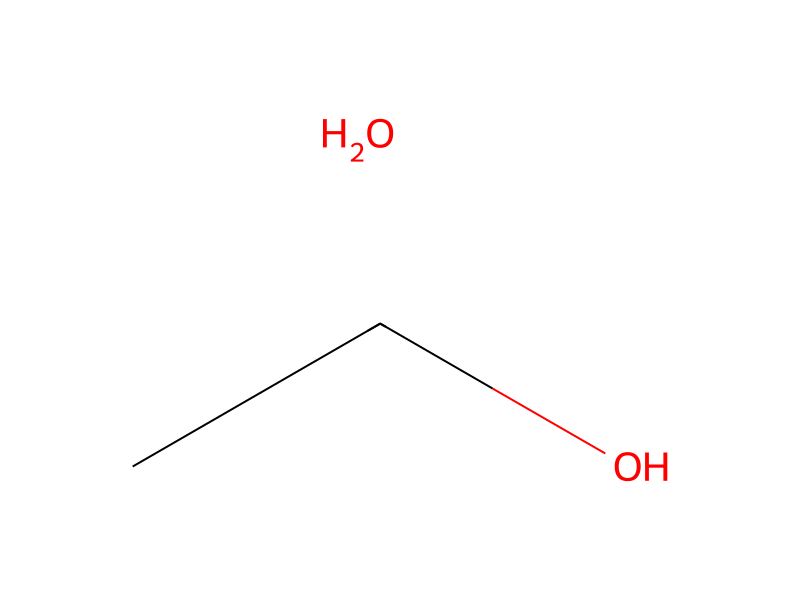
Reagents, catalysts & solvents 3


Procedure
To a suspension of 4-((3-cyclopropyl-4-nitro-1H-indazol-1-yl)methyl)-2-methyloxazole (88 mg, 0.295 mmol) in EtOH/H2O (4:1; 2 mL) was added iron powder (0.33 g, 5.9 mmol) and ammonium chloride (15.8 mg, 0.295 mmol). The reaction mixture was heated at reflux for three hours. The reaction mixture was cooled to ambient temperature, diluted with excess dichloromethane, and the resulting suspension was dried over anhydrous sodium sulfate. The solids were removed by filtration and the filtrate was concentrated under reduced pressure. The crude product was dissolved in dichloromethane, passed through a silica plug, eluting with 10% MeOH/DCM, and concentrated to afford the product (60.8 mg) as a yellow oil.
Workup
- temperatureThe reaction mixture was heated
- temperatureat reflux for three hours
- dry with materialthe resulting suspension was dried over anhydrous sodium sulfate
- customThe solids were removed by filtration
- concentrationthe filtrate was concentrated under reduced pressure
- dissolutionThe crude product was dissolved in dichloromethane
- washeluting with 10% MeOH/DCM
- concentrationconcentrated
Sources & evidence
- ORD record
- ord-a609097d36f346878efe52a81c1885ee
- Source dataset
- uspto-grants-2014_09
- Patent number
- US08841455B2
Reaction notes
Loading…