Methanol → HCID 67248100, compound
Reaction equation

[Cl:1][C:2]1[C:3]([Cl:25])=[CH:4][C:5]2[N:11]3[CH2:12][CH2:13][N:14]([C:16]([O:18][C:19]([CH3:22])([CH3:21])[CH3:20])=[O:17])[CH2:15][CH:10]3[CH2:9][C:8](=O)[NH:7][C:6]=2[CH:24]=1.B.CO>O1CCCC1>[Cl:1][C:2]1[C:3]([Cl:25])=[CH:4][C:5]2[N:11]3[CH2:12][CH2:13][N:14]([C:16]([O:18][C:19]([CH3:20])([CH3:21])[CH3:22])=[O:17])[CH2:15][CH:10]3[CH2:9][CH2:8][NH:7][C:6]=2[CH:24]=1Participants
5
Reactant 3

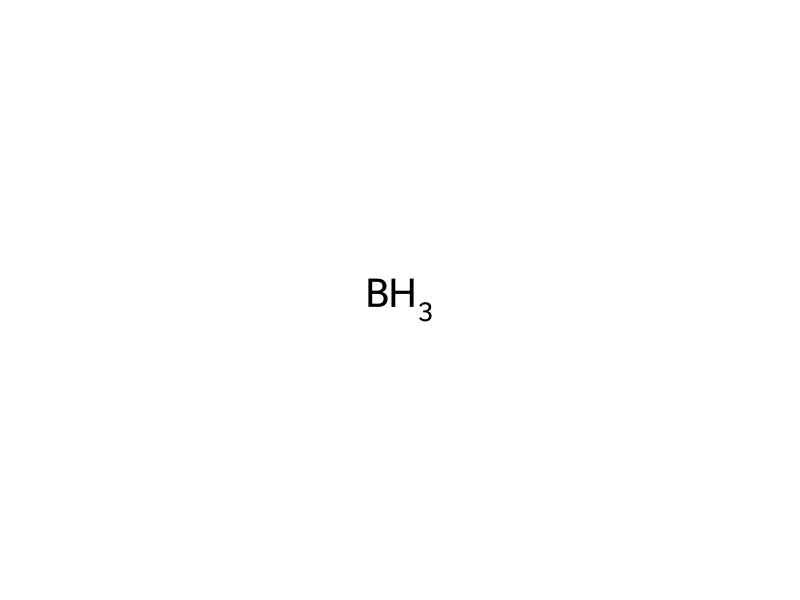

Product 1

Reagents, catalysts & solvents 1

Conditions
- Temperature
- 80 °C
Procedure
To a solution of Example 15B (168 mg, 0.435 mmol) in tetrahydrofuran (1.5 mL) was added borane in tetrahydrofuran (1.74 mL, 1M solution). The resulting mixture was heated to 80° C. overnight. Methanol was then added, and the mixture was heated at 80° C. for 1 hour to destroy excess borane. The reaction was then cooled to room temperature and 1M HCl was added. The mixture was allowed to stir for another 30 minutes. Aqueous sodium bicarbonate was slowly added to the mixture until the solution was basic (pH=8). Ethyl acetate was then added, and the water layer was separated and washed two times with additional ethyl acetate. The organic layers thus obtained were combined and concentrated.
Workup
- temperaturethe mixture was heated at 80° C. for 1 hour
- customto destroy excess borane
- temperatureThe reaction was then cooled to room temperature
- addition1M HCl was added
- additionAqueous sodium bicarbonate was slowly added to the mixture until the solution
- additionEthyl acetate was then added
- customthe water layer was separated
- washwashed two times with additional ethyl acetate
- customThe organic layers thus obtained
- concentrationconcentrated
Sources & evidence
- ORD record
- ord-afda35e0e46c4959bd3c705caef0f6a4
- Source dataset
- uspto-grants-2014_09
- Patent number
- US08846663B2
Reaction notes
Loading…