Potassium Iodide → HCID 58577728, compound
Reaction equation

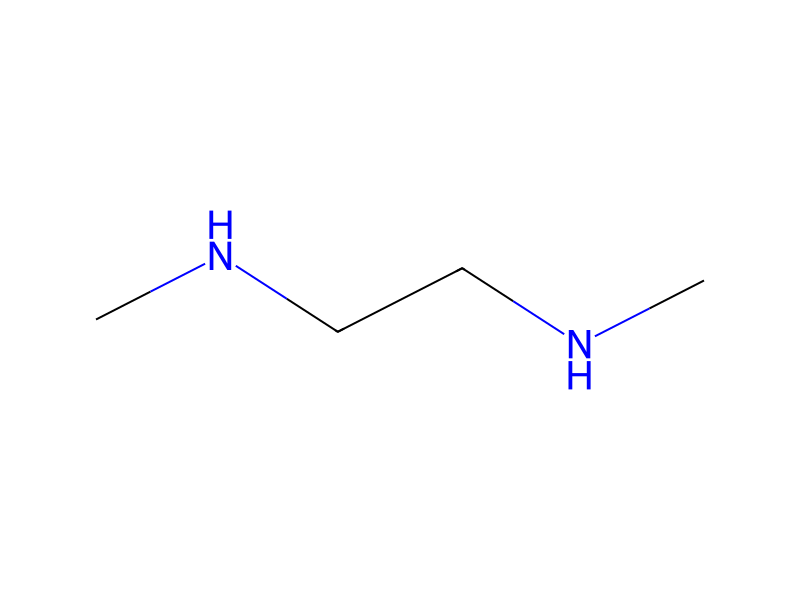
[NH:1]1[C:5]2=[N:6][CH:7]=[CH:8][CH:9]=[C:4]2[CH2:3][C:2]1=[O:10].Br[C:12]1[CH:17]=[CH:16][C:15]([N+:18]([O-:20])=[O:19])=[CH:14][CH:13]=1.CNCCNC.[I-].[K+]>O1CCOCC1.[Cu]I>[N+:18]([C:15]1[CH:16]=[CH:17][C:12]([N:1]2[C:5]3=[N:6][CH:7]=[CH:8][CH:9]=[C:4]3[CH2:3][C:2]2=[O:10])=[CH:13][CH:14]=1)([O-:20])=[O:19]Participants
7
Reactant 4



Product 1

Reagents, catalysts & solvents 2


Conditions
- Temperature
- 95 °C
Procedure
A mixture of 1H-pyrrolo[2,3-b]pyridin-2(3H)-one (431 mg), 1-bromo-4-nitrobenzene (778 mg), copper(I) iodide (122 mg), N1,N2-dimethylethane-1,2-diamine (113 mg) and potassium iodide (1.36 g) in 1,4-dioxane (10 ml) was sparged with argon for 5 min then heated overnight at 95° C. After this time, the reaction mixture was cooled to ambient temperature, diluted with ethyl acetate (100 ml), filtered through diatomaceous earth and the filtrate was concentrated under reduced pressure. The residue obtained was purified by chromatography (silica, heptane to 1:1 ethyl acetate/heptane) to afford 1-(4-nitrophenyl)-1,3-dihydro-2H-pyrrolo[2,3-b]pyridin-2-one (207 mg) as a white solid.
Workup
- customwas sparged with argon for 5 min
- temperatureAfter this time, the reaction mixture was cooled to ambient temperature
- additiondiluted with ethyl acetate (100 ml)
- filtrationfiltered through diatomaceous earth
- concentrationthe filtrate was concentrated under reduced pressure
- customThe residue obtained
- customwas purified by chromatography (silica, heptane to 1:1 ethyl acetate/heptane)
Sources & evidence
- ORD record
- ord-29cabedca29f42c2beacead07cf795d4
- Source dataset
- uspto-grants-2014_09
- Patent number
- US08846713B2
Reaction notes
Loading…