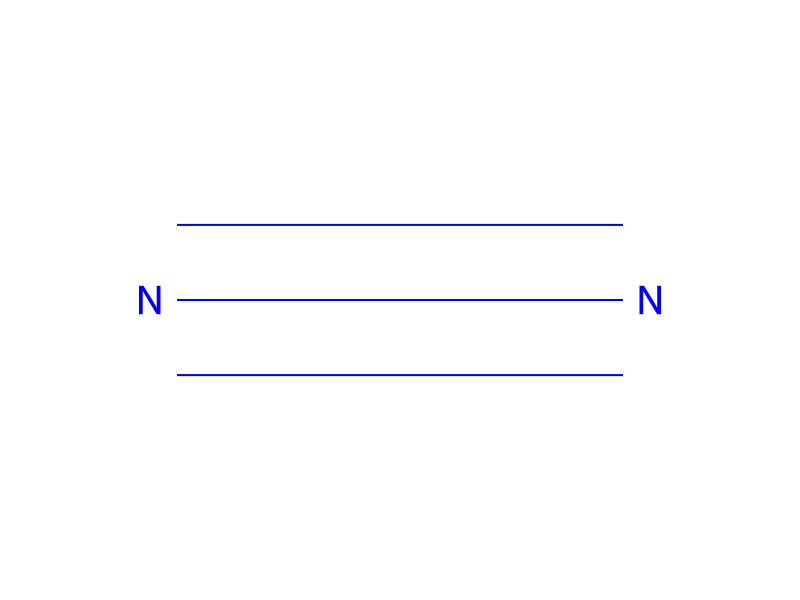
Nitrogen → 4-(((tert-Butyldimethylsilyl)oxy)methyl)oxazole-2-carbaldehyde
Reaction equation

N#N.[Si:3]([O:10][CH2:11][C:12]1[N:13]=[C:14](/[CH:17]=C/C2C=CC=CC=2)[O:15][CH:16]=1)([C:6]([CH3:9])([CH3:8])[CH3:7])([CH3:5])[CH3:4].[OH2:25]>CC(C)=O>[Si:3]([O:10][CH2:11][C:12]1[N:13]=[C:14]([CH:17]=[O:25])[O:15][CH:16]=1)([C:6]([CH3:7])([CH3:8])[CH3:9])([CH3:4])[CH3:5]Participants
Reactant 3


Product 1

Reagents, catalysts & solvents 1

Procedure
In a flame dried round-bottomed flask equipped with a magnetic stir bar and under inert atmosphere (N2), a solution of NaIO4 (726 mg, 3.33 mmol) in water (6.6) mL was slowly added to a vigorously stirred suspension of silica gel (4.46 g) in acetone (13.2 mL). The mixture was then concentrated under reduced pressure and the lumpy solid slurried in CH2Cl2 and the solvent was evaporated under reduced pressure. CH2Cl2 (16.5 mL) was added and the reaction mixture was treated at rt with (E)-4-(((tert-butyldimethylsilyl)oxy)methyl)-2-styryloxazole (350 mg, 1.1 mmol) and RuCl3 hydrate (7.8 mg, 0.03 mmol). The reaction mixture was stirred at rt in the dark overnight, filtered through silica gel and concentrated under reduced pressure to give the title compound as a red oil. TLC: rf (1:3 EA-Hept)=0.51. LC-MS-conditions 07: tR=0.64 min.
Workup
- concentrationThe mixture was then concentrated under reduced pressure
- customthe lumpy solid slurried in CH2Cl2 and the solvent was evaporated under reduced pressure
- additionCH2Cl2 (16.5 mL) was added
- filtrationfiltered through silica gel
- concentrationconcentrated under reduced pressure
Sources & evidence
- ORD record
- ord-1bc15eeb40b944a997987df4e14917ad
- Source dataset
- uspto-grants-2014_09
- Patent number
- US08846733B2
Reaction notes
Loading…