Sulfuric Acid → 3-Amino-1,5-naphthalenedisulfonic acid
Reaction equation

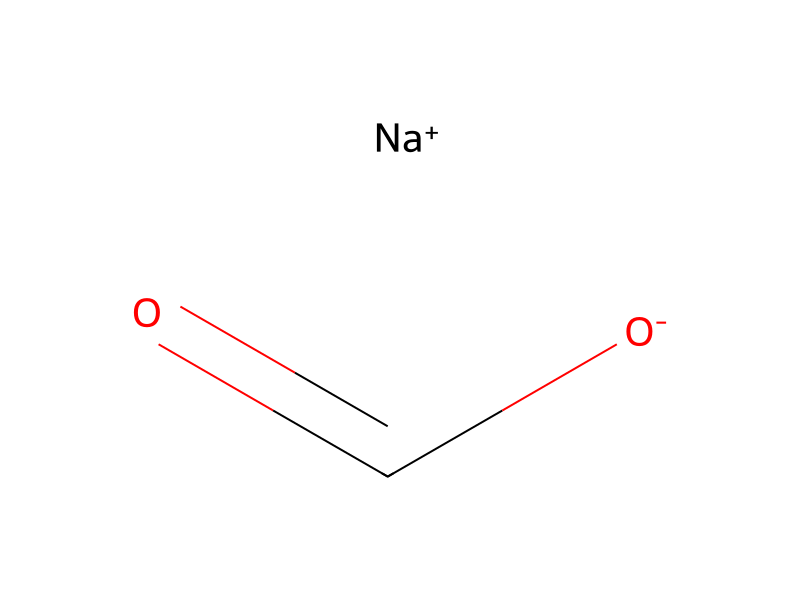
[N+:1]([C:4]1[CH:5]=[C:6]([S:18]([OH:21])(=[O:20])=[O:19])[C:7]2[CH:8]=[CH:9][CH:10]=[C:11]([S:14]([OH:17])(=[O:16])=[O:15])[C:12]=2[CH:13]=1)([O-])=O.S(=O)(=O)(O)O.C([O-])=O.[Na+]>[Pd].O>[NH2:1][C:4]1[CH:5]=[C:6]([S:18]([OH:21])(=[O:20])=[O:19])[C:7]2[CH:8]=[CH:9][CH:10]=[C:11]([S:14]([OH:17])(=[O:16])=[O:15])[C:12]=2[CH:13]=1Participants
Reactant 3


Product 1

Reagents, catalysts & solvents 2


Procedure
A solution of 20.6 parts of the magnesium salt of 3-nitronaphthalene-1,5-disulphonic acid and 5.5 parts of sulphuric acid in 160 parts of water is reacted with 20.4 parts of sodium formate and 1.24 parts (dry weight) of 3% palladium-on-carbon catalyst according to the procedure of Example 1. After 22 hours a further 10 parts of sodium formate are added and stirring under reflux is continued for an additional period of 20 hours. The mixture is cooled and filtered and the filter cake is washed with dilute sulphuric acid until only the catalyst remains on the filter. Analysis of the combined filtrates by ultraviolet spectroscopy and by titration of an aliquot with sodium nitrite solution indicates that the theoretical yield (17.6 parts) of 3-aminonaphthalene-1,5-disulphonic acid has been formed.
Workup
- temperatureunder reflux
- temperatureThe mixture is cooled
- filtrationfiltered
- washthe filter cake is washed with dilute sulphuric acid until only the catalyst
Sources & evidence
- ORD record
- ord-9a10cfa3e18a48a693d4047f8b6caea8
- Source dataset
- uspto-grants-1978_06
- Patent number
- US04093646
Reaction notes
Loading…