Formaldehyde → 2-Ethyl-2-methyl-1,3-propanediol
Reaction equation

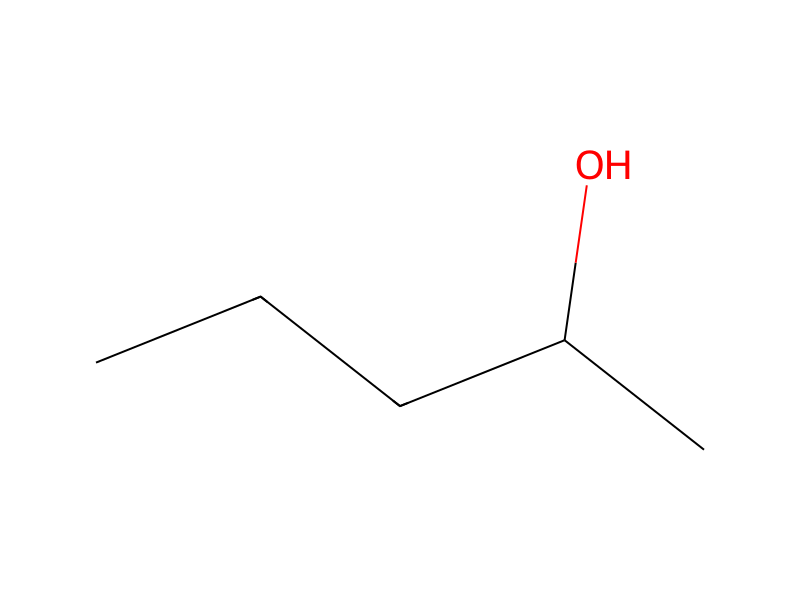
C([C:3](C=C)=[O:4])C.[CH2:7]=O.[C:9]1([CH:16]=[CH:15][C:13]([OH:14])=[CH:12][CH:11]=1)[OH:10]>O1CCOCC1>[CH2:16]([C:15]([CH3:7])([CH2:13][OH:14])[CH2:3][OH:4])[CH3:9].[CH3:16][CH:9]([OH:10])[CH2:11][CH2:12][CH3:13]Participants
6
Reactant 3



Product 2

Reagents, catalysts & solvents 1

Procedure
126 g of α-ethylacrolein, 300 g of a 30% strength aqueous solution of formaldehyde, 1 g of hydroquinone and 350 g of 1,4-dioxane were combined at 25° C to give a solution. After about 2 hours, 120 g of this solution, which had a pH value of 2-3, were hydrogenated as in Example 1. Analysis of the hydrogenated product gave 55.9% of 2-ethyl-2-methylpropane-1,3-diol and 34% of methylbutanol, relative to the α-ethylacrolein employed.
Workup
- customwere combined at 25° C
- customto give a solution
Sources & evidence
- ORD record
- ord-55c9a9bc01614a039410d9bbf79de9cd
- Source dataset
- uspto-grants-1978_06
- Patent number
- US04097540
Reaction notes
Loading…