Hydrogen Bromide → Bisphenol A
Reaction equation

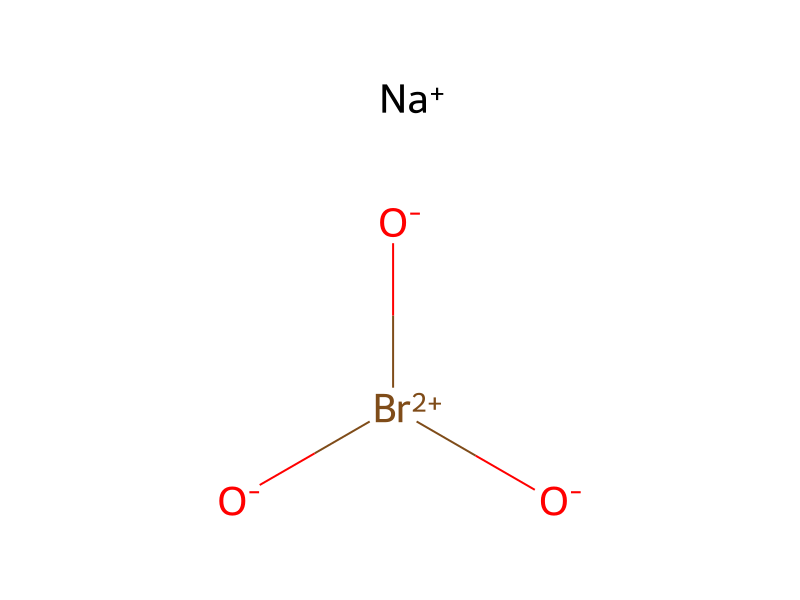
Br[C:2]1[C:7]([OH:8])=[C:6](Br)[C:5](Br)=[C:4]([C:11]([C:14]2[CH:19]=[CH:18][C:17]([OH:20])=[CH:16][CH:15]=2)([CH3:13])[CH3:12])[C:3]=1Br.BrBr.[Br-].[Na+].Br.Br([O-])(=O)=O.[Na+].Br>>[OH:8][C:7]1[CH:6]=[CH:5][C:4]([C:11]([C:14]2[CH:15]=[CH:16][C:17]([OH:20])=[CH:18][CH:19]=2)([CH3:13])[CH3:12])=[CH:3][CH:2]=1Participants




Procedure
A highly pure and colorless tetrabromobisphenol-A (TBBPA) possessing melting point in the range of 178-182° C. is prepared in yields of 50-70% in first batch and 90-100% when the spent organic layer is recycled. In this method, the corrosive liquid bromine is displaced by sodium bromide/hydrobromic acid as brominating agent. Further, sodium bromate is used as an oxidizing as well as brominating agent to utilize the hydrobromic acid that is produced during the bromination of bisphenol-A (BPA). The reaction is conducted at 10-15° C. in a mixture of methylene chloride-water or carbon tetrachloride-water in the presence of hydrochloric acid and sodium lauryl sulfate. The crystalline product settled at the bottom of the reaction vessel is filtered, washed, dried and weighed. The spent organic layer is recycled in subsequent batches to maximize the overall yield of product recovered directly as solid and to minimize generation of organic effluent.
Workup
- customin the range of 178-182° C.
- customis prepared
- customin yields of 50-70% in first batch and 90-100% when the spent organic layer
Sources & evidence
- ORD record
- ord-4ee2d5f62d96463196ca04f6b806c260
- Source dataset
- uspto-grants-2002_04
- Patent number
- US06365786B1
Reaction notes
Loading…