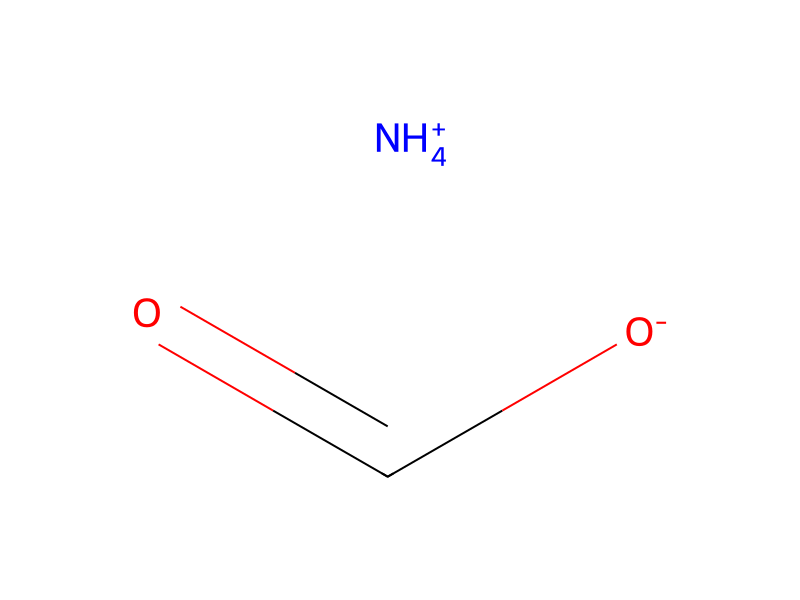
Ammonium formate → HCID 22619636, compound
Reaction equation

[CH3:1][N:2]([CH3:24])[CH2:3][CH2:4][CH2:5][C:6]1(O)[C:12]2[CH:13]=[CH:14][C:15]([O:17][CH3:18])=[CH:16][C:11]=2[CH2:10][CH2:9][C:8]2[CH:19]=[CH:20][CH:21]=[CH:22][C:7]1=2.C([O-])=O.[NH4+]>[Pd].C(O)(=O)C>[CH3:18][O:17][C:15]1[CH:14]=[CH:13][C:12]2[CH:6]([CH2:5][CH2:4][CH2:3][N:2]([CH3:1])[CH3:24])[C:7]3[CH:22]=[CH:21][CH:20]=[CH:19][C:8]=3[CH2:9][CH2:10][C:11]=2[CH:16]=1Participants
5
Reactant 2

Product 1

Reagents, catalysts & solvents 2


Conditions
- Temperature
- 60 °C
Procedure
To 65 mg (0.19 mmol) of 4 was added 5 ml of glacial acetic acid. The mixture was heated to 60° C. and allowed to stir until the mixture was homogeneous. The reaction mixture was cooled to room temperature and 300 mg of 10% Pd/C was added followed by 1 g of ammonium formate. The mixture was heated to 70° C. and allowed to stir at that temperature for 4 hours. The reaction mixture was cooled to room temperature and filtered. The residue was washed with 50 ml of dichloromethane. The combined filtrate was concentrated. The residue was dissolved in 100 ml of dichloromethane and washed with 2×50 ml of saturated NaHCO3 followed by 2×50 ml of brine. The organic part was dried (Na2SO4) and concentrated to give 50 mg (0.16 mmol, 82%) of 5.
Workup
- temperatureThe reaction mixture was cooled to room temperature
- temperatureThe mixture was heated to 70° C.
- stirringto stir at that temperature for 4 hours
- temperatureThe reaction mixture was cooled to room temperature
- filtrationfiltered
- washThe residue was washed with 50 ml of dichloromethane
- concentrationThe combined filtrate was concentrated
- dissolutionThe residue was dissolved in 100 ml of dichloromethane
- washwashed with 2×50 ml of saturated NaHCO3
- dry with materialThe organic part was dried (Na2SO4)
- concentrationconcentrated
Sources & evidence
- ORD record
- ord-2138c36f950944cc90a2276096e6da3f
- Source dataset
- uspto-grants-2002_04
- Patent number
- US06368814B1
Reaction notes
Loading…