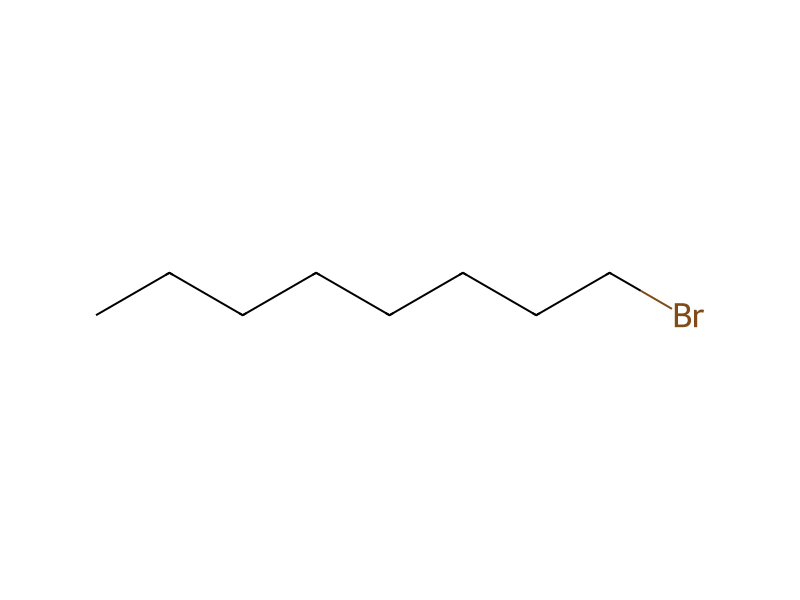
1-Bromooctane → HCID 22618841, compound
Reaction equation

C([O:4][CH2:5][C:6]([NH:19]C(=O)C)([CH2:10][CH2:11][C:12]1[CH:17]=[CH:16][CH:15]=[C:14]([OH:18])[CH:13]=1)[CH2:7][CH2:8][CH3:9])(=O)C.[CH2:23](Br)[CH2:24][CH2:25][CH2:26][CH2:27][CH2:28][CH2:29][CH3:30].[ClH:32].NC(CCC1C=CC=CC=1OCCCCCCC)(CCC)CO>>[ClH:32].[NH2:19][C:6]([CH2:10][CH2:11][C:12]1[CH:17]=[CH:16][CH:15]=[C:14]([O:18][CH2:23][CH2:24][CH2:25][CH2:26][CH2:27][CH2:28][CH2:29][CH3:30])[CH:13]=1)([CH2:7][CH2:8][CH3:9])[CH2:5][OH:4]Participants
4


Procedure
2-Acetamido-2-[2-(3-hydroxyphenyl)ethyl]pentyl acetate and octyl bromide were used in the same manner as working example 52 (9) and (10) to give the subject compound as a yellowish oily substance.
Workup
- customto give the subject compound as a yellowish oily substance
Sources & evidence
- ORD record
- ord-18e9962c3a6b4e058fba36af24c211da
- Source dataset
- uspto-grants-2002_04
- Patent number
- US06372800B1
Reaction notes
Loading…