Hydroquinone → Methyl acrylamidoglycolate methyl ether
Reaction equation

[C:1]([NH:5][CH:6]([OH:11])[C:7]([O:9][CH3:10])=[O:8])(=[O:4])[CH:2]=[CH2:3].CO.[CH3:14]OC.C1(C=CC(O)=CC=1)O.C(N(CC(O)=O)CC(O)=O)CN(CC(O)=O)CC(O)=O>>[CH3:14][O:11][CH:6]([NH:5][C:1](=[O:4])[CH:2]=[CH2:3])[C:7]([O:9][CH3:10])=[O:8]Participants
6




Procedure
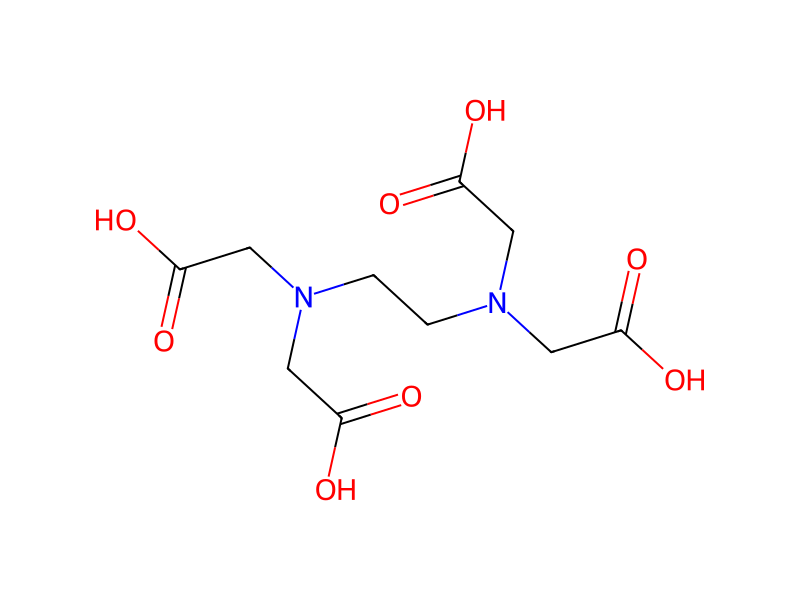
Methyl acrylamidoglycolate, as prepared in Example I, in the amount of 100 parts (0.63 mole) is combined with 200 parts of methanol (6.3 moles), 0.10 parts of the methyl ether of hydroquinone and 0.005 part of ethylene-diamine tetraacetic acid and 5.0 parts of a 40% aqueous solution of paratoluenesulfonic acid is added as catalyst. The reaction mixture is heated for 4 hours at reflux temperature and then cooled and filtered. Vacuum stripping of the methanol results in crystallization of the product. An 85% yield of methyl acrylamidoglycolate methyl ether is obtained.
Workup
- additionis added as catalyst
- temperatureThe reaction mixture is heated for 4 hours
- temperatureat reflux temperature
- temperaturecooled
- filtrationfiltered
- customVacuum stripping of the methanol results in crystallization of the product
Sources & evidence
- ORD record
- ord-63962f70461247b29c2f55b66540cc30
- Source dataset
- uspto-grants-1988_07
- Patent number
- US04760168
Reaction notes
Loading…