Sodium Carbonate → Calcium Carbonate
Reaction equation

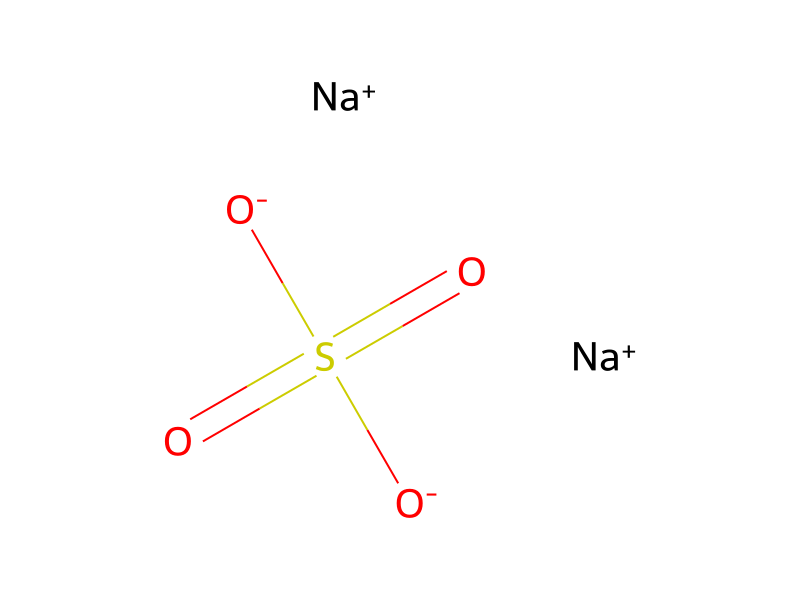
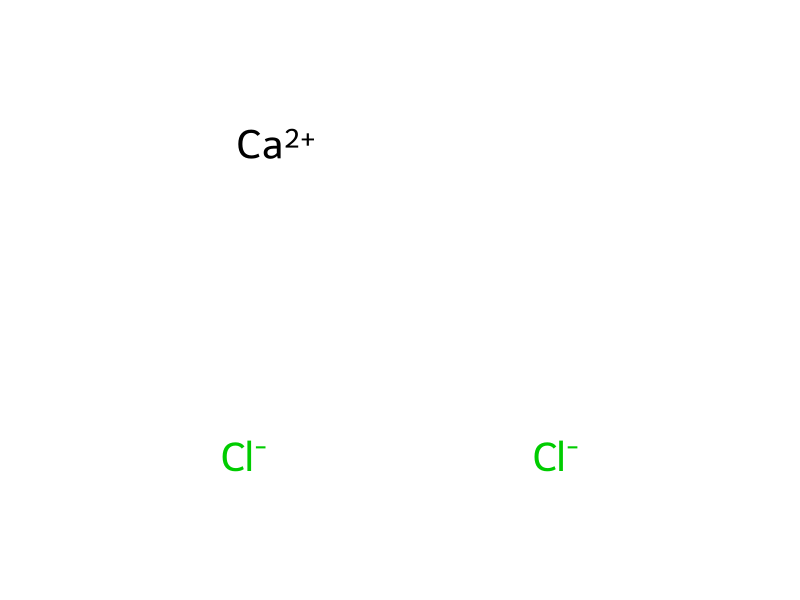
[S:1]([O-:5])([O-:4])(=[O:3])=[O:2].[Na+].[Na+].[C:8](=[O:11])([O-:10])[O-:9].[Na+].[Na+].[Cl-].[Ca+2:15].[Cl-].C(=O)([O-])[O-]>O>[S:1]([O-:5])([O-:4])(=[O:3])=[O:2].[Ca+2:15].[C:8](=[O:9])([O-:11])[O-:10].[Ca+2:15]Participants
Reactant 4


Product 2


Reagents, catalysts & solvents 1

Procedure
In the embodiment of the process according to the invention used in FIG. 1, the solid residue 7 is introduced into a dissolving chamber 8, where water 9 is added to it in sufficient quantities to dissolve all the sodium sulphate and sodium carbonate in the residue 7. The resulting aqueous mixture 10 is conveyed to a crystallization chamber 11 which is also fed with an aqueous solution of calcium chloride 12, in sufficient quantity to decompose the sodium sulphate and carbonate and to form calcium sulphate and calcium carbonate, which precipitate, and sodium chloride, which goes into aqueous solution. The pressure and temperature conditions in the chamber 11 are adjusted to make the calcium chloride crystallize therein in the form of dihydrate or gypsum, preferably acicular in structure. An aqueous slurry 13 is collected from the crystallization chamber 11 and, after being made up with an additional quantity of water 14, is introduced into a subterranean rock salt deposit 15, from which an aqueous solution of sodium chloride 16 is withdrawn.
Workup
- additionis added to it in sufficient quantities
Sources & evidence
- ORD record
- ord-8525b0aee1af49819e916f1cf7d6988d
- Source dataset
- uspto-grants-1992_08
- Patent number
- US05135734
Reaction notes
Loading…