2-Mercaptoethanol → HCID 18755775, compound
Reaction equation

ClC(SCl)=O.[SH:6][CH2:7][CH2:8][OH:9].[SH:10][C:11]1[CH:16]=[CH:15][CH:14]=[CH:13][N:12]=1.C(=O)([O-])[O-].[NH4+:21].[NH4+].[C:23]([N:30]1C=CN=C1)(N1C=CN=C1)=[O:24].NN>C(O)C>[NH:30]([C:23]([O:9][CH2:8][CH2:7][S:6][S:10][C:11]1[CH:16]=[CH:15][CH:14]=[CH:13][N:12]=1)=[O:24])[NH2:21]Participants
8
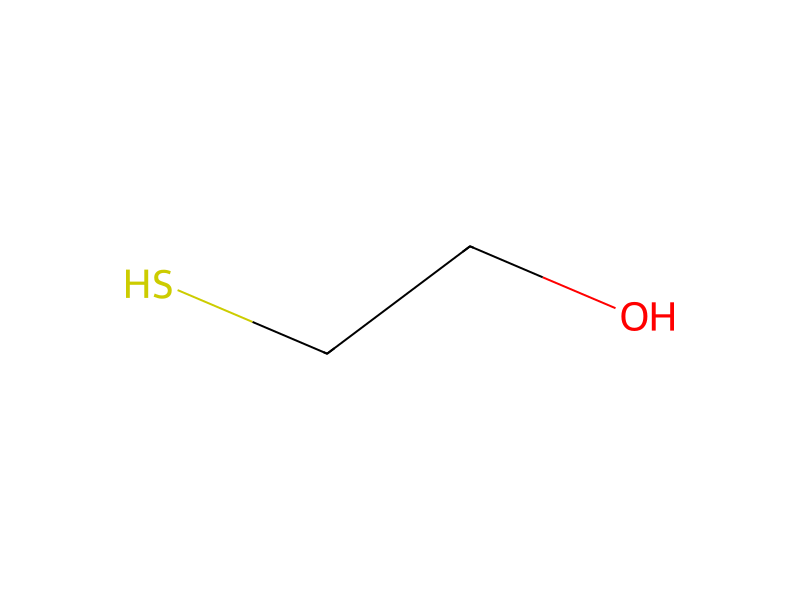




Procedure
Another preferred embodiment involves the formation of yet another novel bifunctional compound (FIG. 5). Chlorocarbonyl sulfenyl chloride was reacted with 2mercaptoethanol and 2-mercaptopyridine. Ammonium carbonate solution was added to form 2-(2-Pyridinyl)dithio)ethanol as a colorless oil. Carbonyldiimidazole was added and the mixture was reacted with hydrazine to form 2-[(2-pyridinyl)dithio]ethyl hydrazinecarboxylate, compound 13. This compound was reacted with adriamycin hydrochloride and TFA and then acetonitrile to form the carboxylatehydrazone derivative of ADM (compound 4, FIG. 1) having a carboxylatehydrazone bond at the C-13 position of the ADM and having a reactive pyridinyldithio moiety.
Sources & evidence
- ORD record
- ord-e97eb0580a6046498f5f54613a808a8b
- Source dataset
- uspto-grants-1992_08
- Patent number
- US05137877
Reaction notes
Loading…