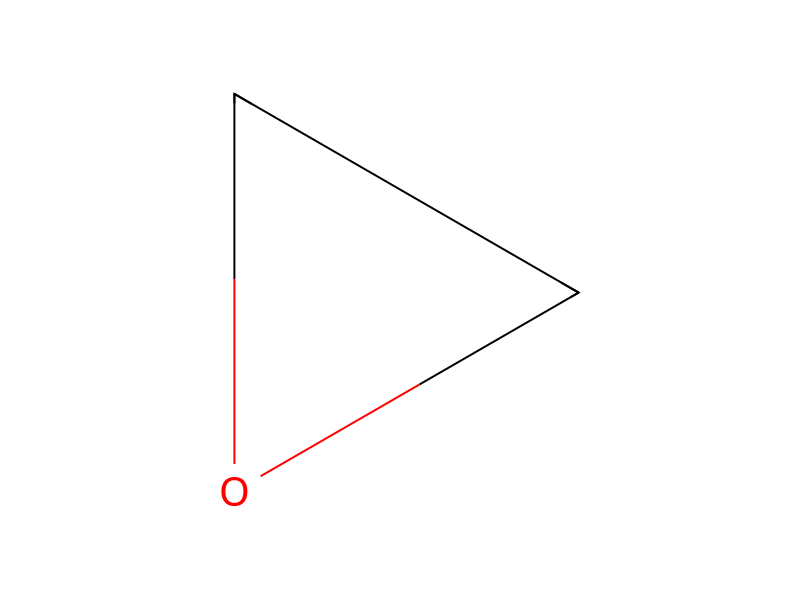
Ethylene Oxide → (2R,3S,4S,5R,6R)-2-(hydroxymethyl)-6-[(E)-3-phenylprop-2-enoxy]oxane-3,4,5-triol
Reaction equation

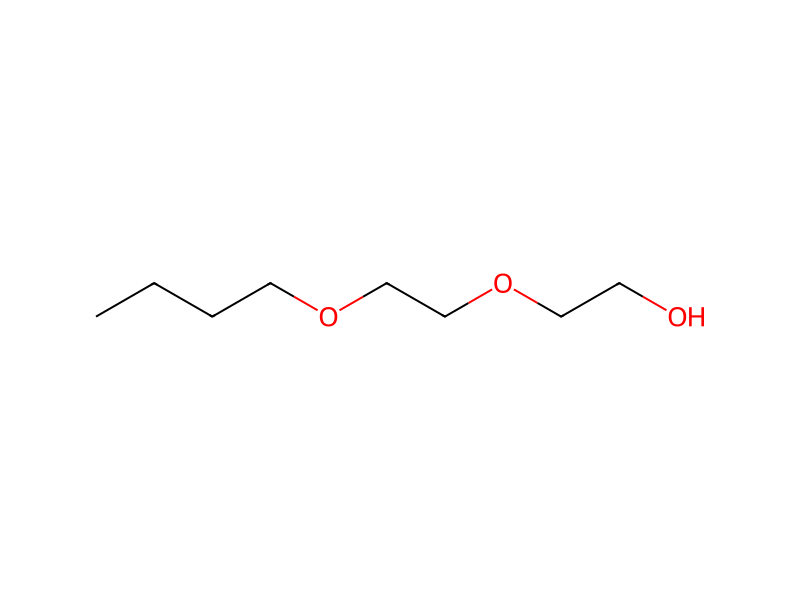
[OH-].[Na+].[CH:3]1[CH:8]=[CH:7][C:6](/[CH:9]=[CH:10]/[CH2:11][O:12][C@@H:13]2[O:18][C@H:17]([CH2:19][OH:20])[C@@H:16]([OH:21])[C@H:15]([OH:22])[C@H:14]2[OH:23])=[CH:5][CH:4]=1.C1(O)C=CC=CC=1.C1OC1>CCCCOCCOCCO>[CH:3]1[CH:4]=[CH:5][C:6](/[CH:9]=[CH:10]/[CH2:11][O:12][C@@H:13]2[O:18][C@H:17]([CH2:19][OH:20])[C@@H:16]([OH:21])[C@H:15]([OH:22])[C@H:14]2[OH:23])=[CH:7][CH:8]=1Participants
5



Procedure
After having added 2.1 parts of sodium hydroxide, 393.5 parts of the rosin-phenol compound described under (a) are oxethylated at 140° to 150° C. in accordance with Example 17(b). The resulting slightly viscous rosin-phenol addition product is olive green and contains 12 mols of ethylene oxide. The cloud point in butyl diglycol is found at 50.5° C.
Workup
- customare oxethylated at 140° to 150° C. in accordance with Example 17(b)
- customis found at 50.5° C.
Sources & evidence
- ORD record
- ord-7364f537e24a4c36a1bbca5cc9983fd1
- Source dataset
- uspto-grants-1981_10
- Patent number
- US04297270
Reaction notes
Loading…