Ethylene Oxide → (2R,3S,4S,5R,6R)-2-(hydroxymethyl)-6-[(E)-3-phenylprop-2-enoxy]oxane-3,4,5-triol
Reaction equation

[OH-].[Na+].C1OC1.[CH:6]1[CH:11]=[CH:10][C:9](/[CH:12]=[CH:13]/[CH2:14][O:15][C@@H:16]2[O:21][C@H:20]([CH2:22][OH:23])[C@@H:19]([OH:24])[C@H:18]([OH:25])[C@H:17]2[OH:26])=[CH:8][CH:7]=1.OCC(CO)O.CCCCOCCOCCO>>[CH:6]1[CH:7]=[CH:8][C:9](/[CH:12]=[CH:13]/[CH2:14][O:15][C@@H:16]2[O:21][C@H:20]([CH2:22][OH:23])[C@@H:19]([OH:24])[C@H:18]([OH:25])[C@H:17]2[OH:26])=[CH:10][CH:11]=1Participants
5
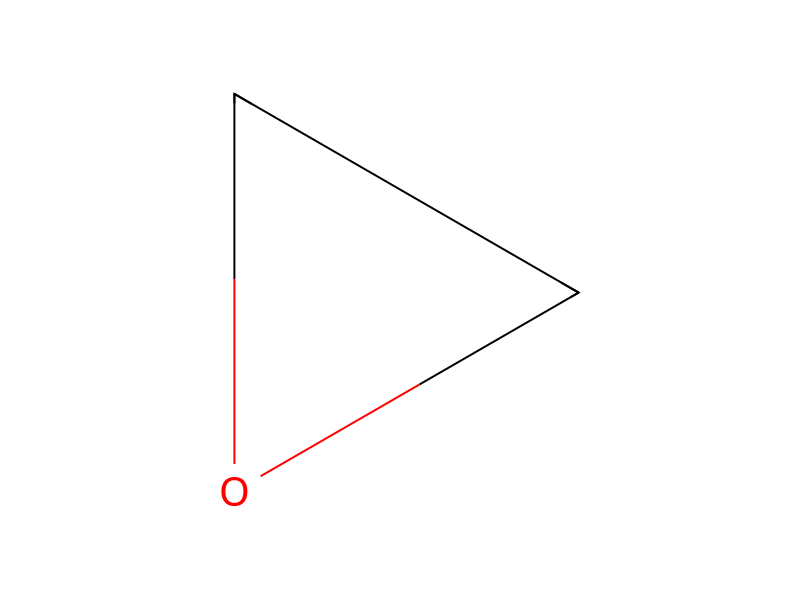
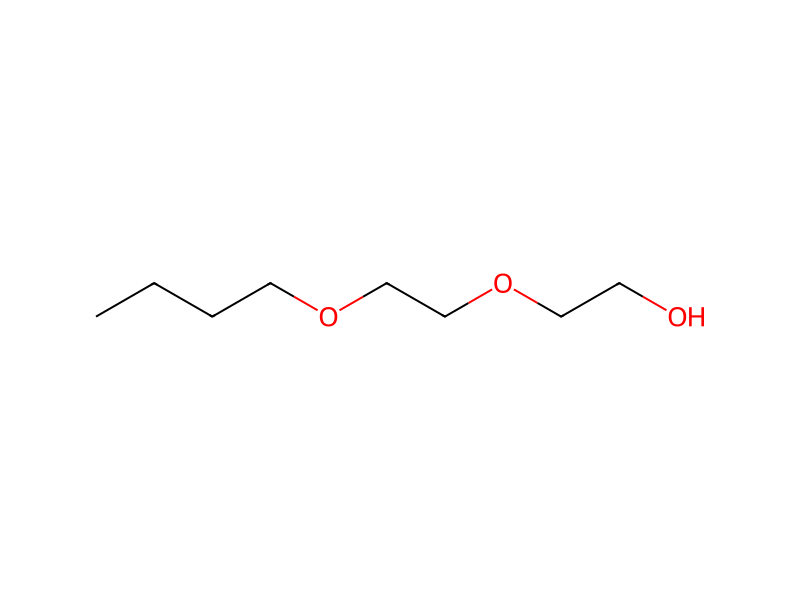



Procedure
After having added 2.5 parts of sodium hydroxide, 489 parts of the rosin-naphthol-glycerol ester described under (a) are reacted according to Example 17(b) with 772 parts of ethylene oxide. The viscous rosin-glycerol addition product obtained is reddish brown and contains 18 mols of ethylene oxide. The cloud point in a 25% butyl diglycol solution is found at 59° C.
Workup
- customare reacted
- customobtained
- customis found at 59° C.
Sources & evidence
- ORD record
- ord-91fca51f74f84f469eb70f3e1c2ead43
- Source dataset
- uspto-grants-1981_10
- Patent number
- US04297270
Reaction notes
Loading…