2-Methyl-2-butene → 3-Bromo-4-methoxybenzoic acid
Reaction equation

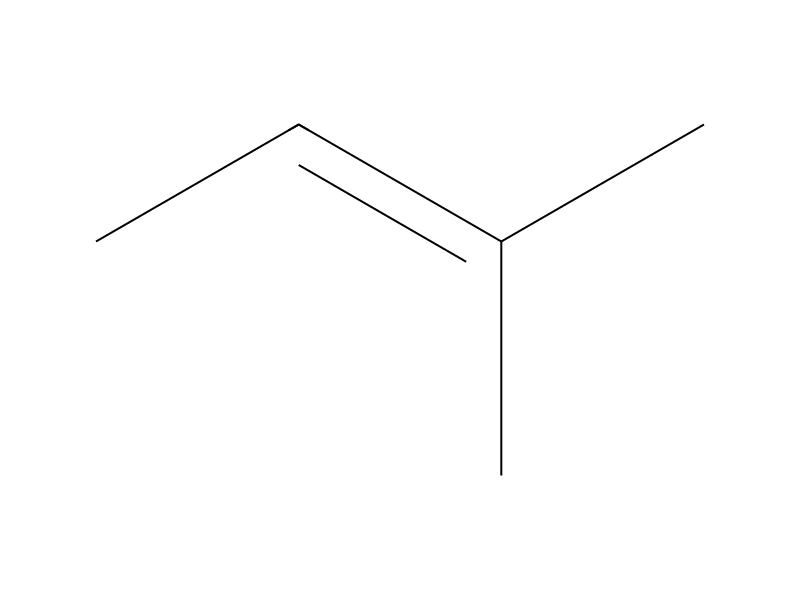
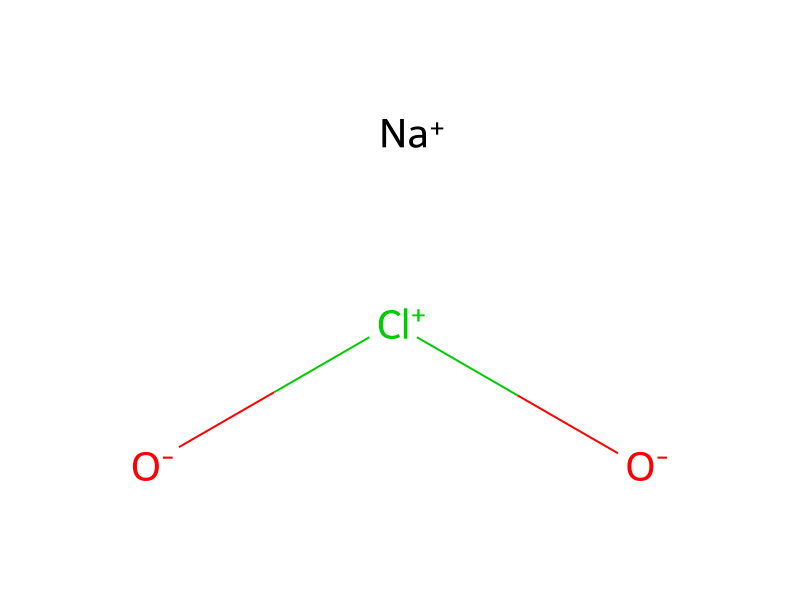
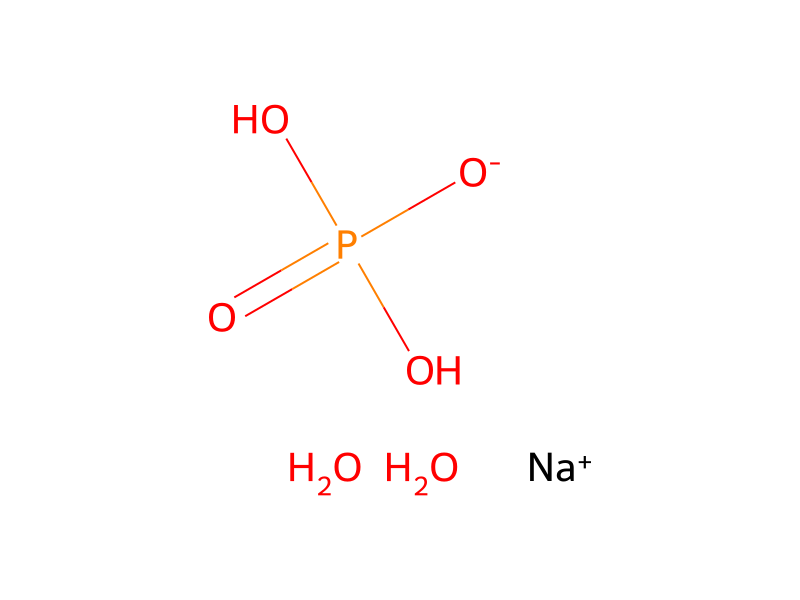
[Br:1][C:2]1[CH:3]=[C:4]([CH:7]=[CH:8][C:9]=1[O:10][CH3:11])[CH:5]=[O:6].CC(=CC)C.Cl([O-])=[O:18].[Na+].O.O.P([O-])(O)(O)=O.[Na+].[OH-].[Na+]>O.C(O)(C)(C)C>[Br:1][C:2]1[CH:3]=[C:4]([CH:7]=[CH:8][C:9]=1[O:10][CH3:11])[C:5]([OH:18])=[O:6]Participants
Reactant 5


Product 1

Reagents, catalysts & solvents 2


Procedure
3-Bromo-4-methoxybenzaldehyde (15 g, 70 mmol), t-butanol (140 ml), 2-methyl-2-butene (50 ml, 469 mmol) were mixed, and to this solution was added dropwise a solution prepared by mixing sodium chlorite (10.42 g, 91 mmol), sodium dihydrogenphosphate dihydrate (14.2 g, 91 mmol) and water (70 nil). The mixture was stirred at room temperature for 16 hours. A 1N aqueous sodium hydroxide solution (50 ml) was added, and t-butanol was evaporated under reduced pressure. Conc. hydrochloric acid was added to make the mixture acidic. The precipitated crystals were collected by filtration and washed with hexane. The obtained crystals were dissolved in ethyl acetate (200 ml), and this solution was dried over anhydrous magnesium sulfate. The drying agent was filtered off, and the filtrate was concentrated under reduced pressure to give 3-bromo-4-methoxybenzoic acid (10.5 g, 65%) as colorless crystals.
Workup
- additionto this solution was added dropwise a solution
- customprepared
- customt-butanol was evaporated under reduced pressure
- additionConc. hydrochloric acid was added
- filtrationThe precipitated crystals were collected by filtration
- washwashed with hexane
- dissolutionThe obtained crystals were dissolved in ethyl acetate (200 ml)
- dry with materialthis solution was dried over anhydrous magnesium sulfate
- filtrationThe drying agent was filtered off
- concentrationthe filtrate was concentrated under reduced pressure
Sources & evidence
- ORD record
- ord-b61f6c4ef3634560b8bd81a6557199b3
- Source dataset
- uspto-grants-2000_01
- Patent number
- US06017919
Reaction notes
Loading…