Propylene Oxide → Urethane acrylate
Reaction equation

[C:1]([OH:5])(=[O:4])[CH:2]=[CH2:3].C1O[CH:7]1[CH3:8].COC1C=CC(O)=CC=1.[C:19]([O-:32])(=[O:31])CCCCCCCCCCC.C([O-])(=O)CCCCCCCCCCC.C([Sn+2]CCCC)CCC.O=C=[N:58]C1CC(C)(C)CC(C)(CN=C=O)C1>>[C:1]([OH:5])(=[O:4])[CH:2]=[CH2:3].[NH2:58][C:19]([O:32][CH2:7][CH3:8])=[O:31]Participants
6




Procedure
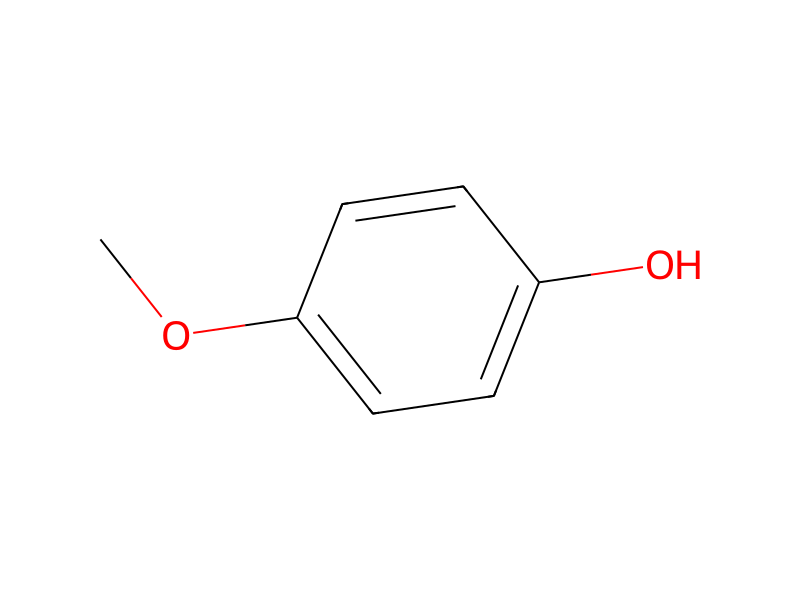
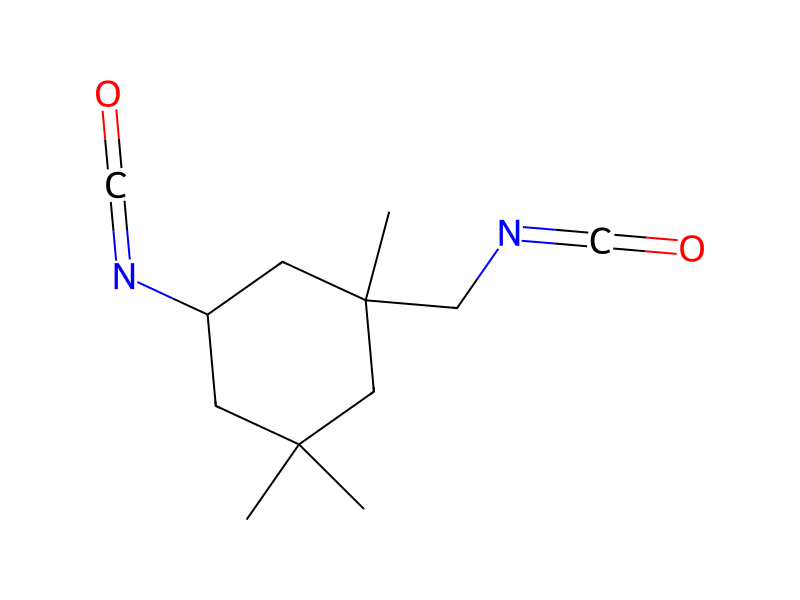
1,517 Grams of an addition product of acrylic acid with propylene oxide [BLENMAR AP-550 of Nippon Oil and Fats Co. Ltd.; a compound of the formula (vii) wherein R4 is H, R5 is CH3 and h is 10], 1.00 g of hydroquinone monomethyl ether, 0.52 g of di-n-butyltin dilaurate and 222 g of isophorone diisocyanate were charged to a 4-liter four-necked flask equipped with a stirrer, a thermoregulator, a thermometer and a condenser, allowed to react with one another at 40 to 50° C. for 30 minutes and then the reaction was further continued at 80 to 90° C. to produce the third urethane acrylate [a compound of the formula (3) wherein R4 is H, R5 is CH3, A3 is an isophorone group, h is 10 ad j is 2].
Workup
- additionwere charged to a 4-liter four-necked flask
- customequipped with a stirrer
- customto react with one another at 40 to 50° C. for 30 minutes
- customwas further continued at 80 to 90° C.
Sources & evidence
- ORD record
- ord-530972fe6d0b4908b1a7c27bcf8f7920
- Source dataset
- uspto-grants-2000_01
- Patent number
- US06017973
Reaction notes
Loading…