Water → 2-(3-Bromophenyl)-1,3-dioxane
Reaction equation

[Br:1][C:2]1[CH:3]=[C:4]([CH:7]=[CH:8][CH:9]=1)[CH:5]=[O:6].[CH2:10](O)[CH2:11][CH2:12][OH:13].O>C1(C)C=CC=CC=1.CC1C=CC(S(O)(=O)=O)=CC=1>[Br:1][C:2]1[CH:3]=[C:4]([CH:5]2[O:13][CH2:12][CH2:11][CH2:10][O:6]2)[CH:7]=[CH:8][CH:9]=1Participants
6
Reactant 3

Product 1

Reagents, catalysts & solvents 2


Procedure
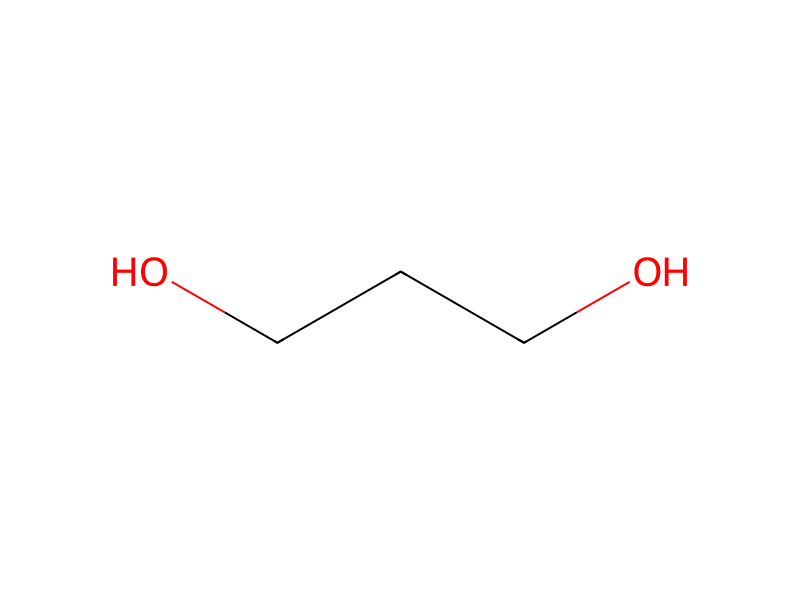
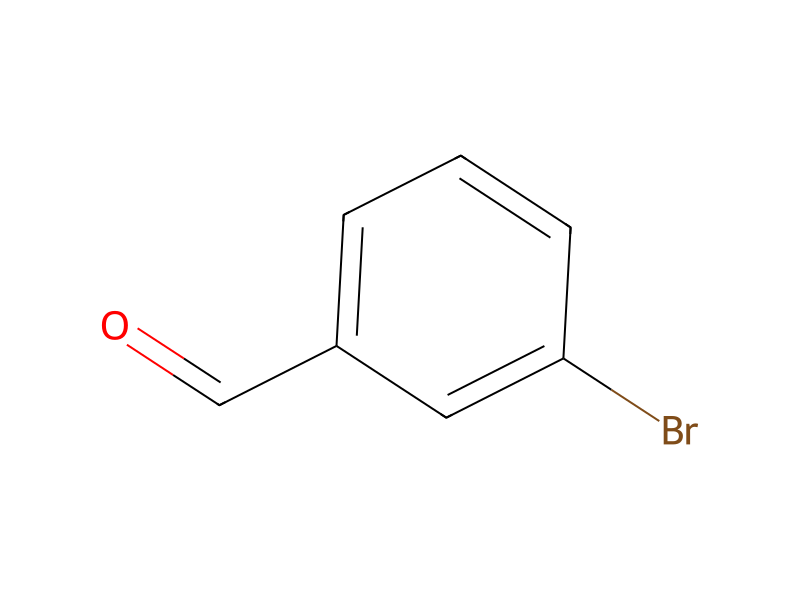
A mixture containing 3-bromobenzaldehyde (135; 18.5 g, 100 mmol), propane-1,3-diol (9.1 g, 120 mmol) and TsOH (0.1 g) in toluene (200 mL) was stirred under reflux in a Dean-Stark water separator for 18 h. Upon cooling to room temperature, the mixture was washed with 5% aqueous Na2CO3 (200 mL), dried (Na2SO4) and concentrated under reduced pressure to afford essentially quantitative yield of crude 2-(3-bromophenyl)-1,3-dioxane 136 as a yellow oil (25 g).
Workup
- washthe mixture was washed with 5% aqueous Na2CO3 (200 mL)
- dry with materialdried (Na2SO4)
- concentrationconcentrated under reduced pressure
Sources & evidence
- ORD record
- ord-99ade811df594da0bcec51dfeaa931d3
- Source dataset
- uspto-grants-2014_09
- Patent number
- US08846947B2
Reaction notes
Loading…