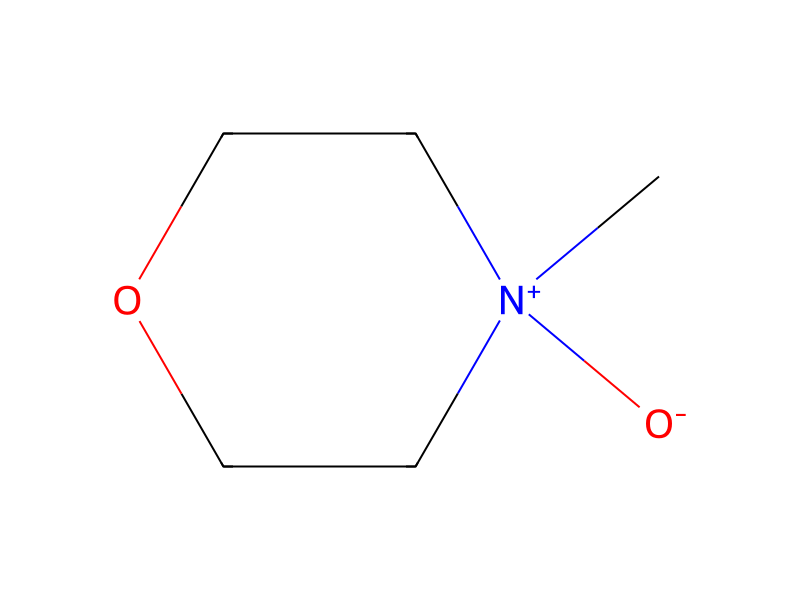
Methyl morpholine oxide → HCID 69369525, compound
Reaction equation

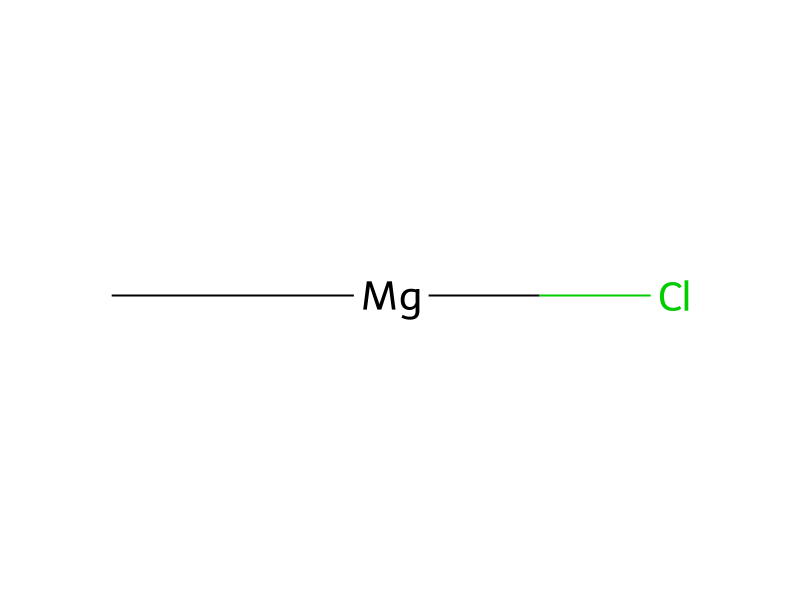
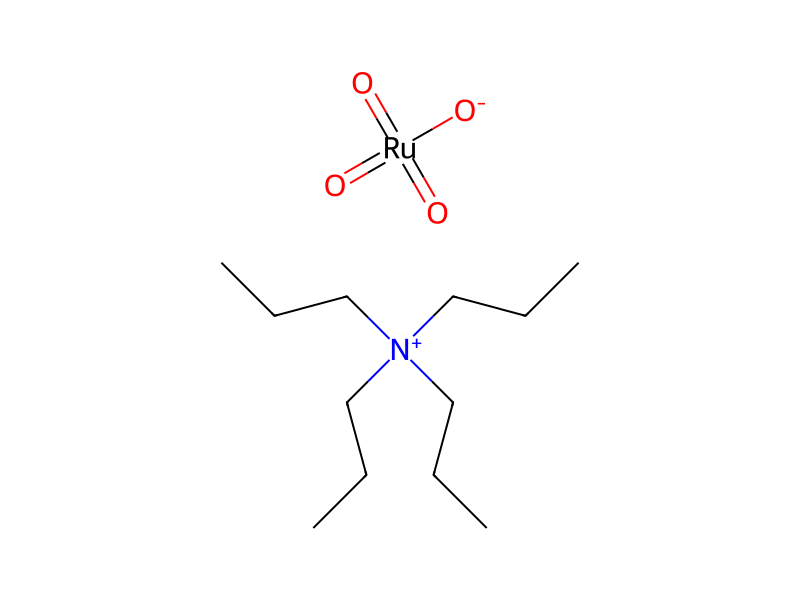
[CH3:1][N+]1([O-])CCOCC1.[CH2:9]([N:16]1[CH2:21][CH2:20][NH:19][C@@H:18]([CH2:22][CH:23]=[O:24])[CH2:17]1)[C:10]1[CH:15]=[CH:14][CH:13]=[CH:12][CH:11]=1.C[Mg]Cl>CCC[N+](CCC)(CCC)CCC.[O-][Ru](=O)(=O)=O>[CH2:9]([N:16]1[CH2:21][CH2:20][NH:19][C@@H:18]([CH2:22][CH:23]([OH:24])[CH3:1])[CH2:17]1)[C:10]1[CH:11]=[CH:12][CH:13]=[CH:14][CH:15]=1Participants
Reactant 3

Product 1

Reagents, catalysts & solvents 1
Procedure
Briefly (and essentially as described in PCT International Publication Numbers WO 98/20001 and WO 99/65922), (Nα-(t-butyloxycarbonyl)-β-(benzyl ester)-L-aspartic acid) is reacted with N-benzylglycine in the presence of DCC and HOBt to produce the corresponding N-benzylglycine amide, which is further reacted with TFA to remove the BOC protecting group, yielding ((S)-4-benzyl-3,6-dioxo-piperazin-2-yl)-acetic acid ethyl ester. This is reduced to 2-((S)-4-benzyl-piperazin-2-yl)-ethanol by reaction with LiAlH4 in THF. Essentially as described in PCT International Publication Number WO 02/094799, the free amine is reacted with (BOC)2O to produce the corresponding carbamate, and the primary alcohol is oxidized with catalytic TPAP in the presence of NMO to the corresponding aldehyde, ((S)-4-benzyl-piperazin-2-yl)-acetaldehyde. This is reacted with MeMgCl under Grignard reaction conditions to produce the secondary alcohol, 1-((S)-4-benzyl-piperazin-2-yl)-propan-2-ol, as a mixture of diastereoisomers, which is oxidized to the corresponding methylketone, 1-((S)-4-benzyl-piperazin-2-yl)-propan-2-one, by reaction with catalytic TPAP and NMO. The methylketone undergoes a tandem aldol condensation/Michael conjugated addition by reaction with 1-(4-methoxy-2,3-dimethylphenyl)-ethanone in the presence of LiCl and DBU as a base in THF as the solvent, yielding bicyclic (6R,9aS)-2-benzyl-6-(4-methoxy-2,3-dimethyl-phenyl)-octahydro-pyrido[1,2-a]pyrazin-8-one. This is deoxygenated to (6R,9aS)-2-benzyl-6-(4-methoxy-2,3-dimethylphenyl)-octahydro-pyrido[1,2-a]pyrazine by conversion to the corresponding tosylhydrazone and subsequent reduction with NaBH3CN in the presence of zinc triflate. The benzyl group is removed by catalytic transfer hydrogenation reaction promoted by Pd(OH)2 in the presence of excess ammonium formate in MeOH. Finally, (6R,9aS)-6-(4-methoxy-2,3-dimethylphenyl)-octahydro-pyrido[1,2-a]pyrazine is converted to the desired heteroaroyl analog by reaction with the corresponding acid chloride under Schotten-Bauman reaction conditions.
Sources & evidence
- ORD record
- ord-f14ac3f7d35f4195936b41698b3736d7
- Source dataset
- uspto-grants-2007_08
- Patent number
- US07253168B2
Reaction notes
Loading…