Water → 2-[(5-Chloro-2-fluoro-phenyl)-hydrazono]-propionic acid ethyl ester
Reaction equation

[Cl:1][C:2]1[CH:3]=[CH:4][C:5]([F:10])=[C:6]([NH:8][NH2:9])[CH:7]=1.[C:11]([O:16][CH2:17][CH3:18])(=[O:15])[C:12]([CH3:14])=O.O>ClCCl>[CH2:17]([O:16][C:11](=[O:15])[C:12](=[N:9][NH:8][C:6]1[CH:7]=[C:2]([Cl:1])[CH:3]=[CH:4][C:5]=1[F:10])[CH3:14])[CH3:18]Participants
5




Procedure
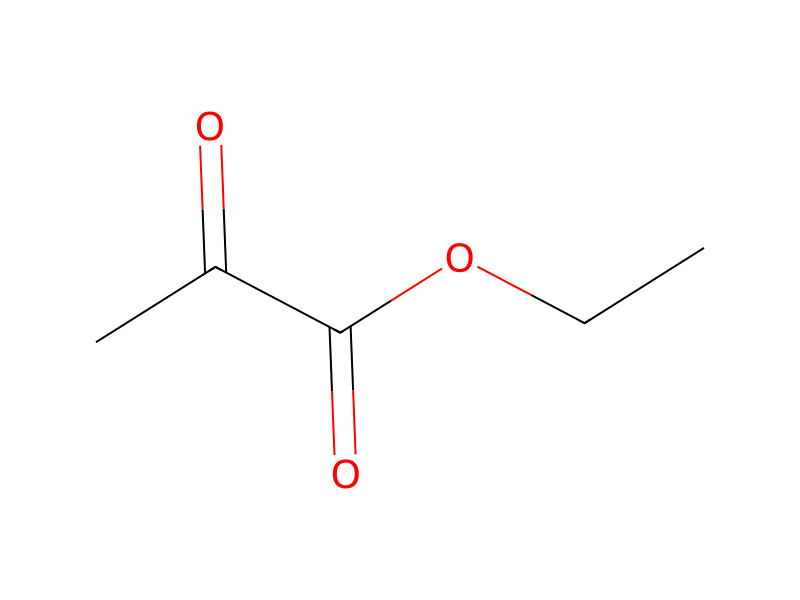
(5-Chloro-2-fluoro-phenyl)-hydrazine (22.5 g, 140 mmol) was dissolved in dichloromethane (80 mL). Ethyl pyruvate (16.3 mL, 140 mmol) was added slowly to this solution at room temperature. The mixture was stirred for another1 h at room temperature, added to water and extraxcted with dichloromethane. Organic phases were pooled, washed subsequently with hydrochloric acid (1 N) and brine and dried with MgSO4. Solvents were removed in vacuo and the residue was triturated with n-hexane to yield the title product as beige solid (22.8 g, 62.9%), ISP-MS: m/e=259.1 (M+H+).
Workup
- washwashed subsequently with hydrochloric acid (1 N) and brine
- dry with materialdried with MgSO4
- customSolvents were removed in vacuo
- customthe residue was triturated with n-hexane
Sources & evidence
- ORD record
- ord-54d6c07da5d34cd88ddbc15d3d1b82c5
- Source dataset
- uspto-grants-2007_08
- Patent number
- US07253281B2
Reaction notes
Loading…