Water → Lactic Acid
Reaction equation

[CH3:1][CH:2]1[O:9]C(=O)C(C)[O:5][C:3]1=[O:4].[CH2:11]1[O:18]C(=O)C[O:14][C:12]1=[O:13].C(Cl)(Cl)Cl.CCCCCCCC/C=C\CCCCCCCC(OCC(OC(CCCCCCC/C=C\CCCCCCCC)=O)C[N+](C)(C)C)=O.O>C(Cl)Cl>[C:3]([OH:5])(=[O:4])[CH:2]([CH3:1])[OH:9].[C:12]([OH:14])(=[O:13])[CH2:11][OH:18]Participants




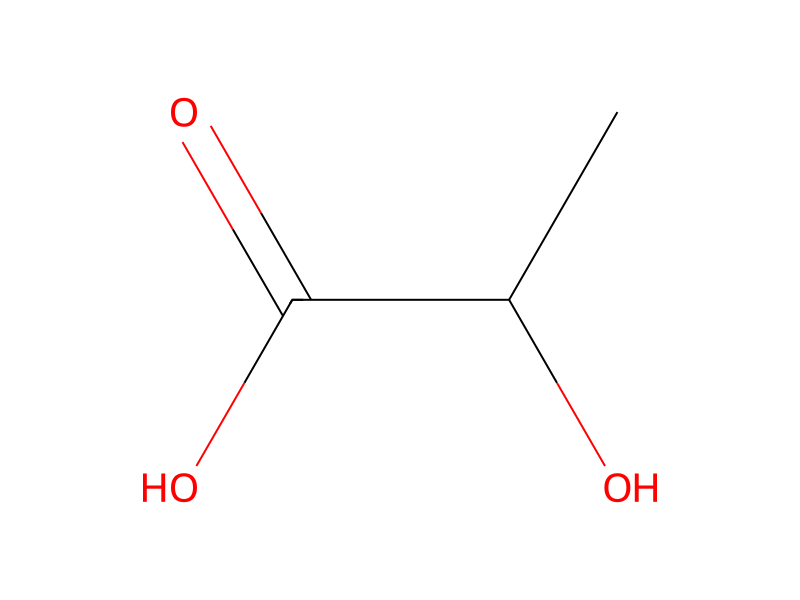
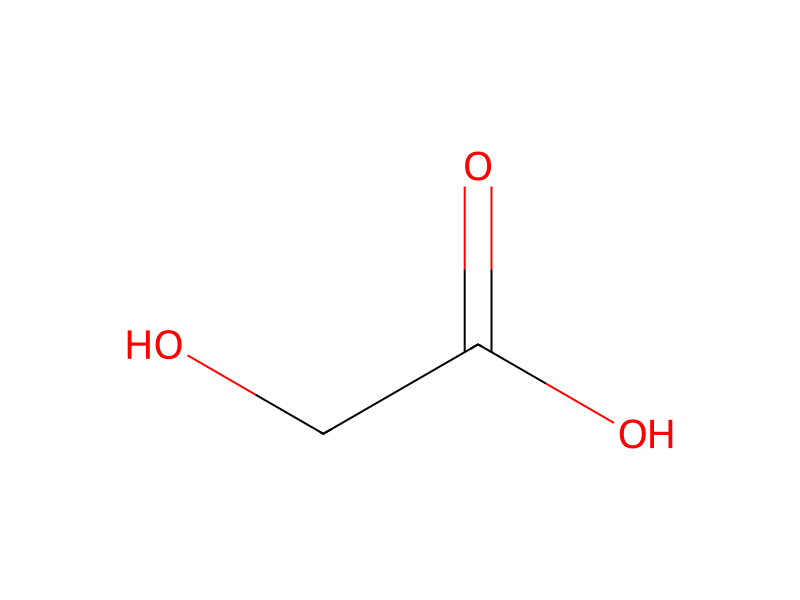

Conditions
- Temperature
- 40 °C
Procedure
Cationic poly(lactic acid, glycolic acid) microcarriers (cPLGA) were prepared as follows. 0.875 g of poly (D,L-lactide-co-glycolide) 50:50 polymer (Boehringer Mannheim, Indianapolis, Ind.) with an intrinsic viscosity of 0.41 dl/g (0.1%, chloroform, 25° C.) was dissolved in 7.875 g of methylene chloride at 10% w/w concentration, along with 0.3 g of DOTAP. The clear organic phase was then emulsified into 500 ml of PVA aqueous solution (0.35% w/v) by homogenization at 4000 rpm for 30 minutes at room temperature using a laboratory mixer (Silverson L4R, Silverson Instruments). System temperature was then raised to 40° C. by circulating hot water through the jacket of the mixing vessel. Simultaneously, the stirring rate was reduced to 1500 rpm, and these conditions were maintained for 2 hours to extract and evaporate methylene chloride. The microsphere suspension was allowed to cool down to room temperature with the help of circulating cold water.
Workup
- temperaturethese conditions were maintained for 2 hours
- extractionto extract
- customevaporate methylene chloride
- temperatureto cool down to room temperature with the help
Sources & evidence
- ORD record
- ord-2bbc4924245e45a783ee965663af9b0d
- Source dataset
- uspto-grants-2007_08
- Patent number
- US07255868B2
Reaction notes
Loading…