Ethanol → Ethyl (3S)-4-chloro-3-hydroxybutanoate
Reaction equation

[C]=[O:2].[H][H].N[C:6]1[CH:11]=CN=CC=1.[CH2:12]([C@H:14]1[O:16][CH2:15]1)[Cl:13].[CH2:17]([OH:19])C>O.O.O.O.C([O-])(=O)C.[Co+2].C([O-])(=O)C.[Pd]>[CH2:11]([O:2][C:17](=[O:19])[CH2:15][C@H:14]([OH:16])[CH2:12][Cl:13])[CH3:6]Participants
Reactant 5



Product 1

Reagents, catalysts & solvents 2


Procedure
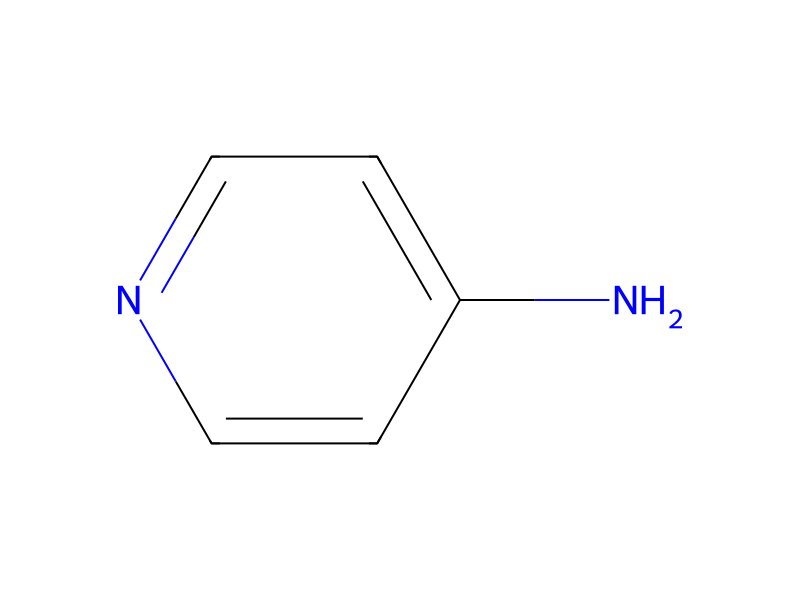
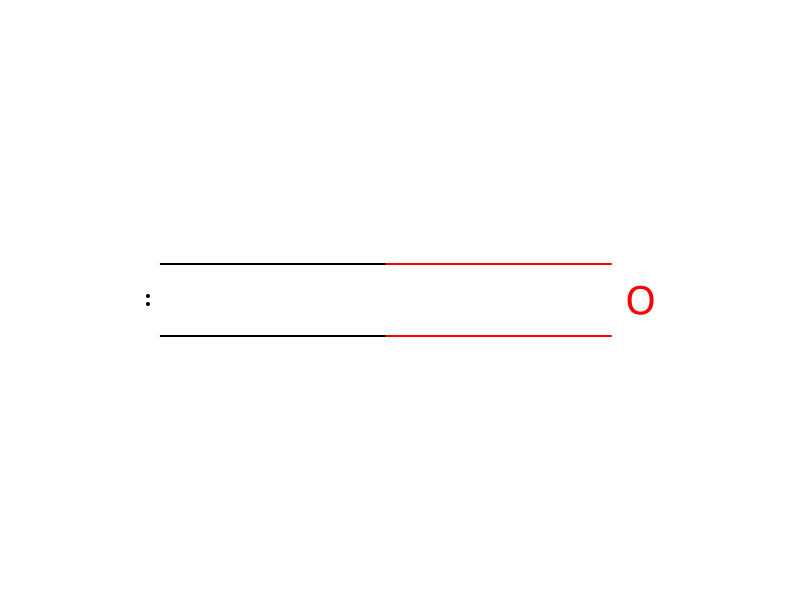
In a 50 mL-volumetric autoclave were added deaerated ethanol (10 mL), and thereto were added cobalt acetate tetrahydrate (250 mg, 1 mmol) and 10% Pd/C (10 mg). After covering the autoclave with a cap, carbon monoxide (1 MPa) and hydrogen gas (1 MPa) were introduced therein, successively and the mixture was reacted at 80° C. for 3 hours. After 3 hours the mixture was cooled to room temperature, and the mixed gas was emitted to give a solution containing dicobaltoctacarbonyl complex. Thereto were added 4-aminopyridine (47 mg, 0.5 mmol) and (S)-epichlorohydrin (1.8 g, 20 mmol, >99% ee). After covering the autoclave with a cap, carbon monoxide (1 MPa) was introduced therein and the mixture was reacted at 35° C. for 28 hours. After temperature of the mixture was made room temperature, the solvent was removed in vacuo. The residue was subjected to Kugelrohr distillation to give (S)-4-chloro-3- hydroxybutanoic acid ethyl ester (3.1 g, 92%, >99% ee) as a colorless oil.
Workup
- additionwere introduced
- customsuccessively and the mixture was reacted at 80° C. for 3 hours
- customto give a solution
- additioncontaining dicobaltoctacarbonyl complex
- additionwas introduced
- customthe mixture was reacted at 35° C. for 28 hours
- customwas made room temperature
- customthe solvent was removed in vacuo
- distillationThe residue was subjected to Kugelrohr distillation
Sources & evidence
- ORD record
- ord-ce03cb5de30f4da7a7517cfa7311d7ef
- Source dataset
- uspto-grants-2007_08
- Patent number
- US07256305B2
Reaction notes
Loading…